
Lightweight Summer Fabrics for Breathable Warm-Weather Clothing
-
Buy Banana Fabric Online: Sustainable Textile by Suvetah
Vendor:Suvetah FashionRegular price From Rs. 225.00 INRRegular price -
Pure Bamboo Fabric India: Breathable, Soft, Naturally Hypoallergenic Material
Vendor:Suvetah FashionRegular price From Rs. 200.00 INRRegular price -
KALA COTTON HANDLOOM FABRIC
Vendor:Suvetah FashionRegular price Rs. 295.00 INRRegular price -
BEMBERG SATIN FABRIC
Vendor:SuvetahRegular price From Rs. 185.00 INRRegular price -
Buy Recycled Cotton Fabric Online | Post-Consumer Upcycled Cotton Material India | Suvetah
Vendor:Suvetah FashionRegular price From Rs. 75.00 INRRegular price -
Organic cotton double gauze
Vendor:Suvetah FashionRegular price From Rs. 140.00 INRRegular price -
Buy Bamboo Cotton Handloom Fabric Online | Artisan Woven Eco Blend India | Suvetah
Vendor:SuvetahRegular price From Rs. 200.00 INRRegular price -
Buy Khadi Cotton Fabric Online: Handwoven Breathable Organic Cotton
Vendor:Suvetah FashionRegular price From Rs. 138.00 INRRegular price -
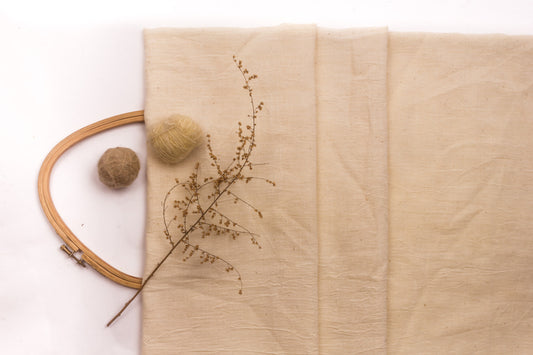
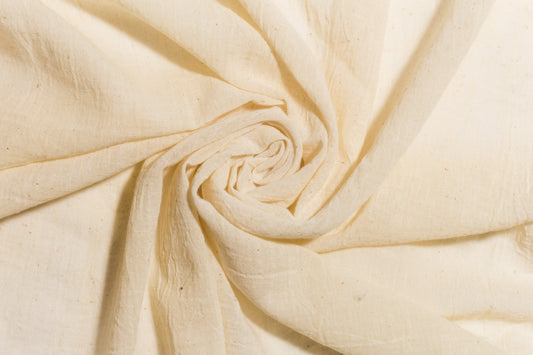 Sale
SaleKALA COTTON FABRIC
Vendor:Suvetah FashionRegular price From Rs. 185.00 INRRegular priceRs. 369.00 INRSale price From Rs. 185.00 INRSale -
HEMP COTTON BLEND
Vendor:Suvetah FashionRegular price From Rs. 200.00 INRRegular price -
BANANA COTTON HANDLOOM
Vendor:SuvetahRegular price From Rs. 300.00 INRRegular price -
Buy Recycled Cotton Fabric Online | Post-Consumer Upcycled Cotton Material India | Suvetah
Vendor:Suvetah FashionRegular price From Rs. 75.00 INRRegular price -
Buy Cotton Woven Fabric Online: Soft & Breathable
Vendor:Suvetah FashionRegular price Rs. 275.00 INRRegular price -
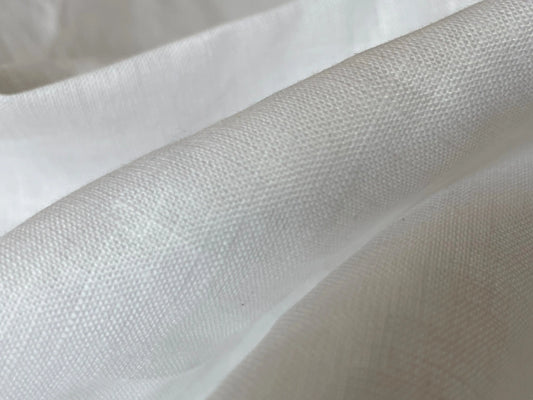
Pure Linen Fabric India: Breathable, Lightweight Linen Material for Summer
Vendor:Suvetah FashionRegular price From Rs. 375.00 INRRegular price -
Milk Fabric India: Soft, Breathable, Casein Protein Fibre Material
Vendor:SuvetahRegular price Rs. 585.00 INRRegular price -
Buy Bamboo Knit Fabric Online | Soft Stretchy Bamboo Jersey India | Suvetah
Vendor:Suvetah FashionRegular price From Rs. 700.00 INRRegular price -
SOYA FABRIC
Vendor:Suvetah FashionRegular price Rs. 465.00 INRRegular priceRs. 465.00 INRSale price Rs. 465.00 INR -
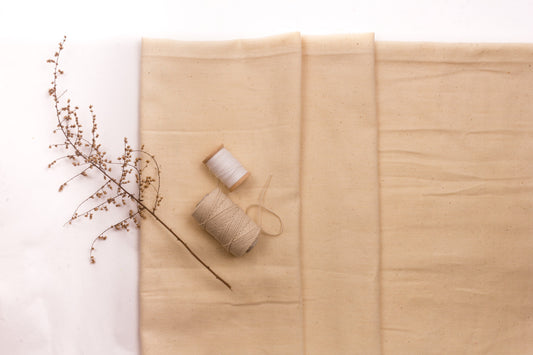
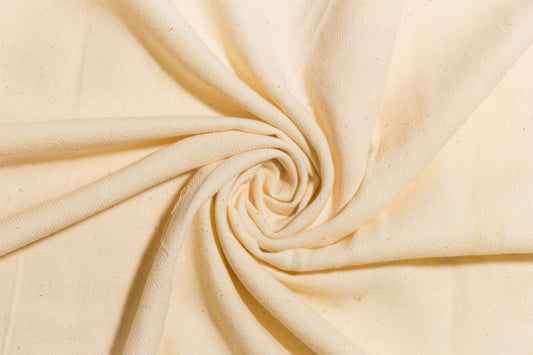 Sold out
KALA COTTON DENIM FABRIC
Vendor:Suvetah FashionRegular price From Rs. 280.00 INRRegular price -
Pure Hemp Fabric India: Breathable, Durable, Naturally Soft Hemp Material
Vendor:Suvetah FashionRegular price From Rs. 465.00 INRRegular price -
ORGANIC COTTON HANDLOOM
Vendor:Suvetah FashionRegular price Rs. 330.00 INRRegular price -
Bamboo Lycra Fabric
Vendor:SuvetahRegular price From Rs. 700.00 INRRegular price -
Buy Khadi Silk Fabric Online | Handloom Cotton Silk Blend India | Suvetah
Vendor:Suvetah FashionRegular price From Rs. 310.00 INRRegular price -
100% ORGANIC HEMP FABRIC
Vendor:Suvetah FashionRegular price From Rs. 480.00 INRRegular price -
HEMP COTTON CANVAS
Vendor:Suvetah FashionRegular price Rs. 900.00 INRRegular price -
 Sale
SaleORGANIC COTTON KNIT
Vendor:Suvetah FashionRegular price Rs. 1,282.00 INRRegular priceRs. 1,350.00 INRSale price Rs. 1,282.00 INRSale -
ORGANIC COTTON CANVAS FABRIC
Vendor:Suvetah FashionRegular price Rs. 385.00 INRRegular price -
HANDLOOM COTTON 0 COUNT FABRIC
Vendor:Suvetah FashionRegular price From Rs. 250.00 INRRegular price -
BAMBOO PIQUE FABRIC
Vendor:Suvetah FashionRegular price From Rs. 730.00 INRRegular price -
HEMP KNITTED
Vendor:Suvetah FashionRegular price From Rs. 780.00 INRRegular price -
ORGANIC COTTON TERRY
Vendor:Suvetah FashionRegular price Rs. 1,260.00 INRRegular price -

 Sold out
AUTUMN - HANDLOOM COTTON FABRIC
Vendor:Suvetah storeRegular price From Rs. 600.00 INRRegular price -
Linen 40 Lea fabric
Vendor:Suvetah FashionRegular price Rs. 705.00 INRRegular price -
HONEY - RECYCLE COTTON FABRIC
Vendor:Suvetah storeRegular price From Rs. 510.00 INRRegular price -
Banana 201 DEVINE BLUE
Vendor:SuvetahRegular price Rs. 590.00 INRRegular price






















Frequently Asked Questions
Which fabric is best for summer in India?
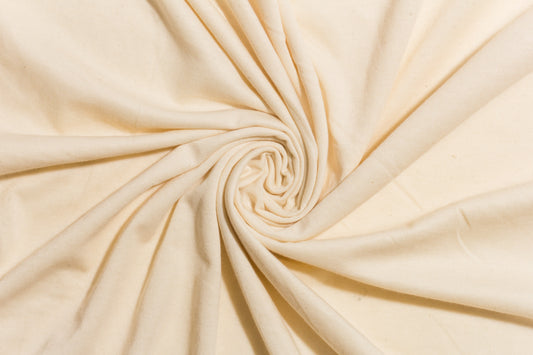
There is no single best summer fabric for every garment. Lightweight cotton, linen, Kala Cotton and selected bamboo or banana blends can work for warm-weather clothing, depending on their construction. Breathability, fabric weight, weave, garment silhouette and the intended level of structure should all be considered.
What are the most breathable fabrics for hot and humid weather?
Lightweight cotton and linen are commonly used for warm-weather garments, while an open or less densely constructed fabric can support greater airflow. Fibre alone does not determine breathability, so the specific weave and fabric construction should also be assessed.
Is Kala Cotton suitable for summer clothing?
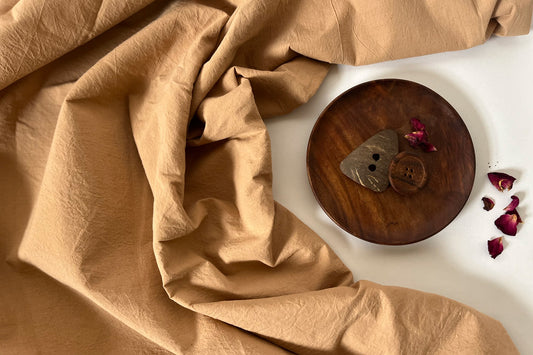
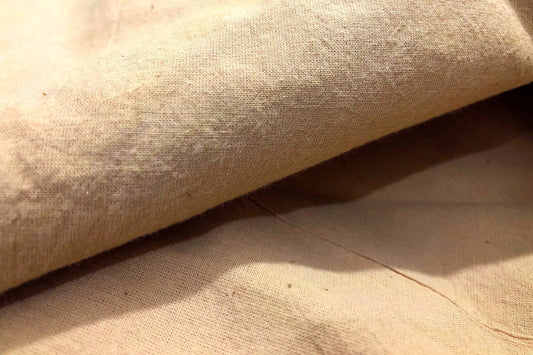
Yes. Kala Cotton can be used for summer shirts, kurtas and dresses, depending on its weight and weave. Its handwoven construction can also provide a more textured surface. The selected fabric should be assessed for the intended garment because different Kala Cotton constructions can have different levels of weight and body.
What GSM is best for lightweight summer fabrics?
It wouldn’t be appropriate to deduce a specific measure for summer fabrics. Lower GSM generally means less fabric mass per square metre, but suitability also depends on fibre, weave, opacity and the garment being made. A lightweight shirt and a structured summer trouser, for example, may require different fabric weights.