Silk Sarees

Buy 100% Pure Silk Sarees Online in India

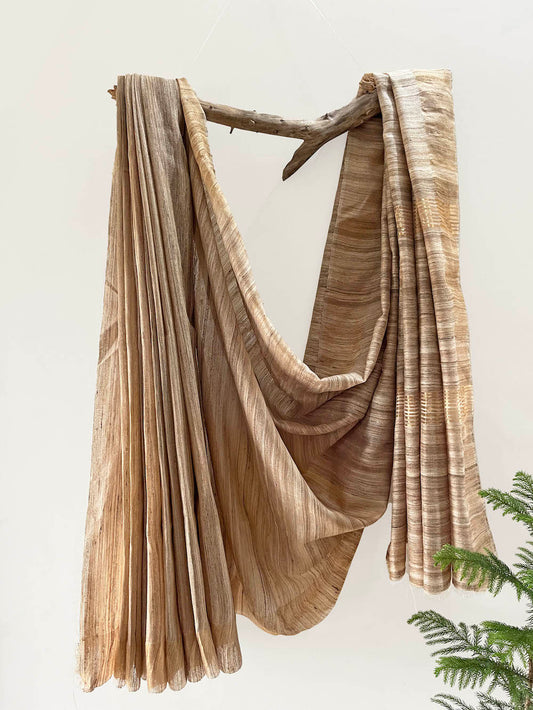
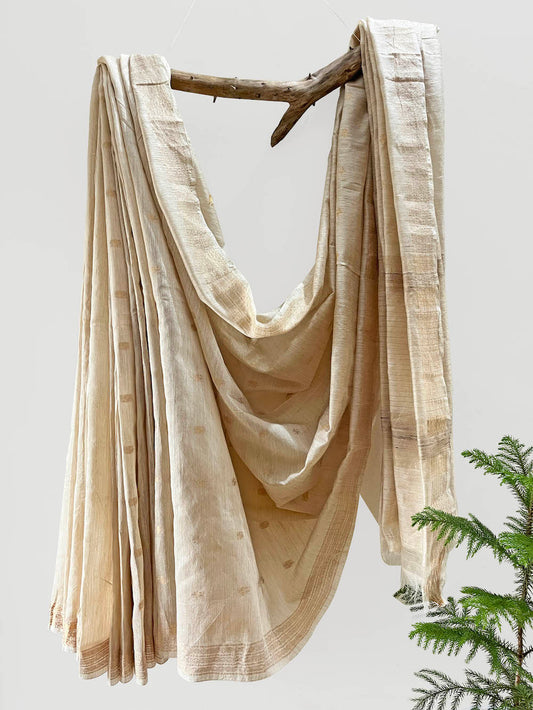
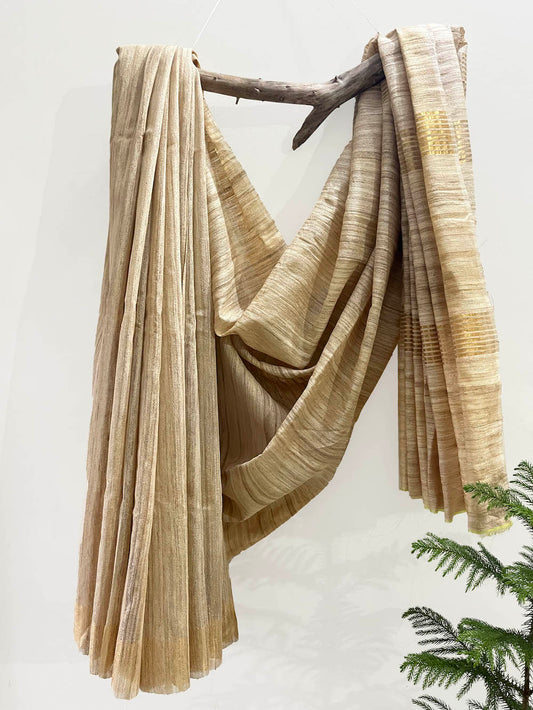
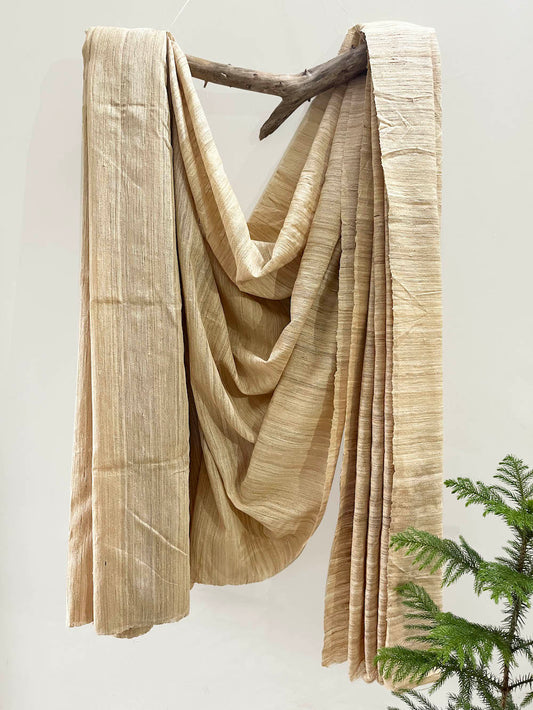
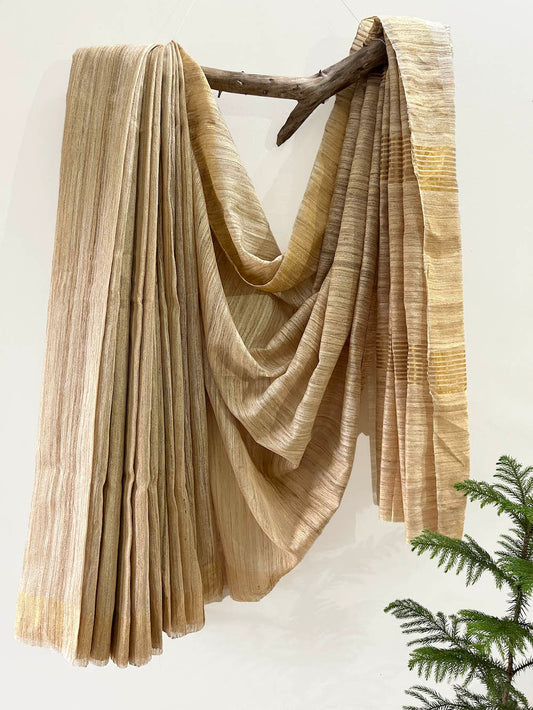
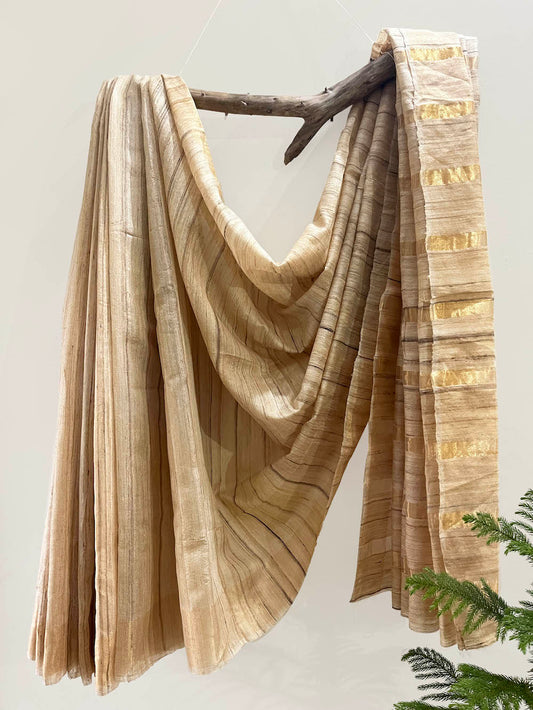
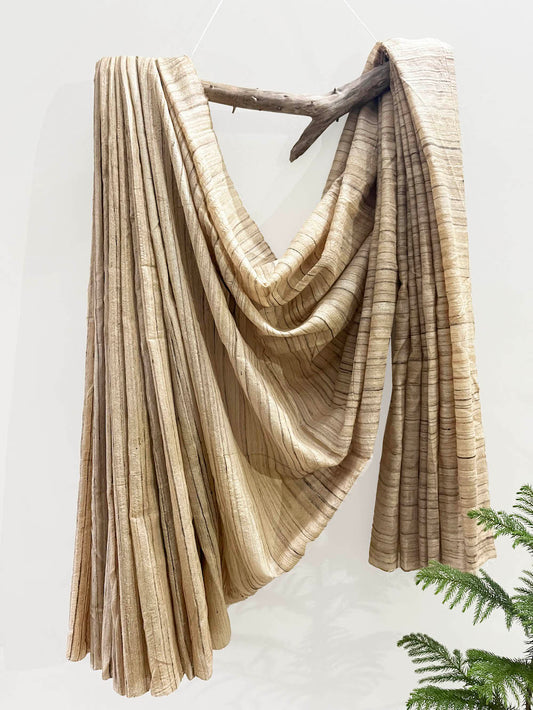
Silk sarees from Suvetah carry handloom weaving, Ahimsa silk sourcing, and Indian Geographic Indication backing across Eri, Mulberry, Tussar, and Muga silk varieties. The range covers craft sarees rooted in Assam, Bihar, Karnataka, and Kutch cluster traditions, with each saree tied to a specific weaver and silk cocoon source.

Why Choose Sustainable Silk Sarees for Your Business?

Silk saree sourcing decisions carry animal welfare, weaver wage, and craft preservation implications that mass-market sarees cannot match. Ahimsa silk allows the silkworm moth to complete its life cycle and leave the cocoon naturally before processing, removing the conventional silk practice of boiling cocoons with the worm inside. This shift moves silk from animal-derived to ethically extracted natural fibre.

For boutique buyers, designer labels, wedding collection retailers, hospitality gifting, and corporate Diwali procurement, the differentiation runs on four signals: Geographic Indication on origin clusters, Handloom Mark on weaving authentication, Ahimsa silk certification, and named-weaver attribution per saree. The Suvetah saree range maintains weaver-and-cluster documentation alongside silk-source traceability. 

Designers sourcing fabric yardage in eri and mulberry silk alongside sarees can browse the printed fabrics range for eco-printed and natural-dyed silk by the metre.

Bestselling Silk Sarees at Suvetah

Product Name

Price

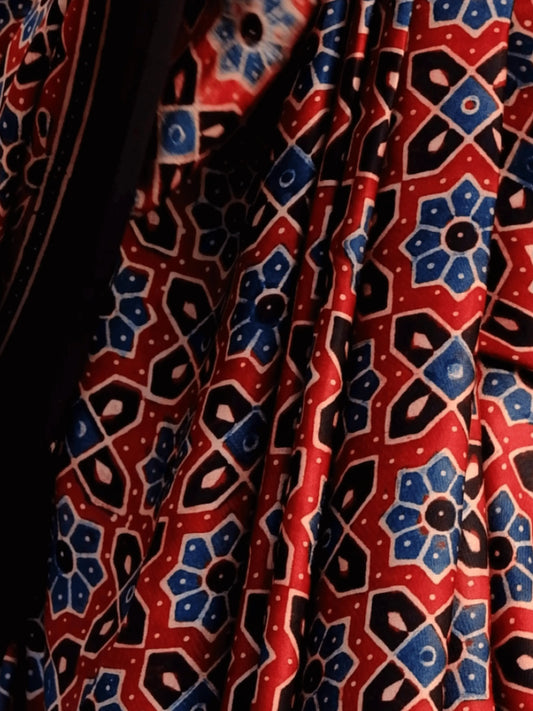
Ajrakh Sarees

Rs. 6,599.00 INR

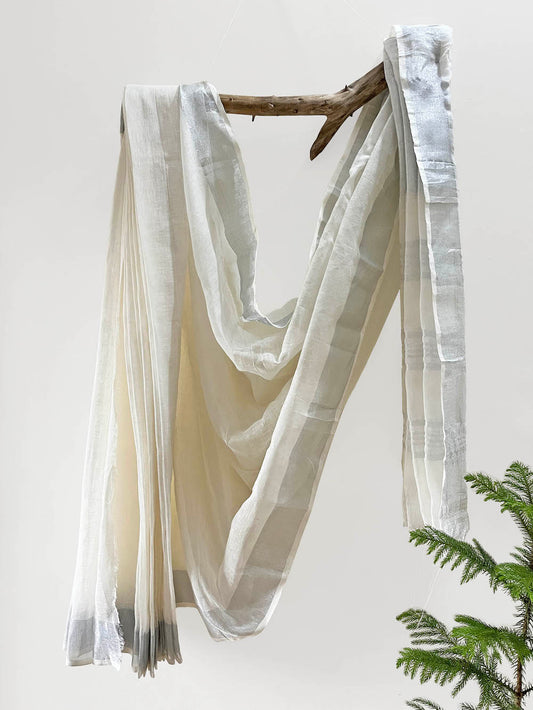
LINEN ZARI SAREE

Rs. 2,990.00 INR

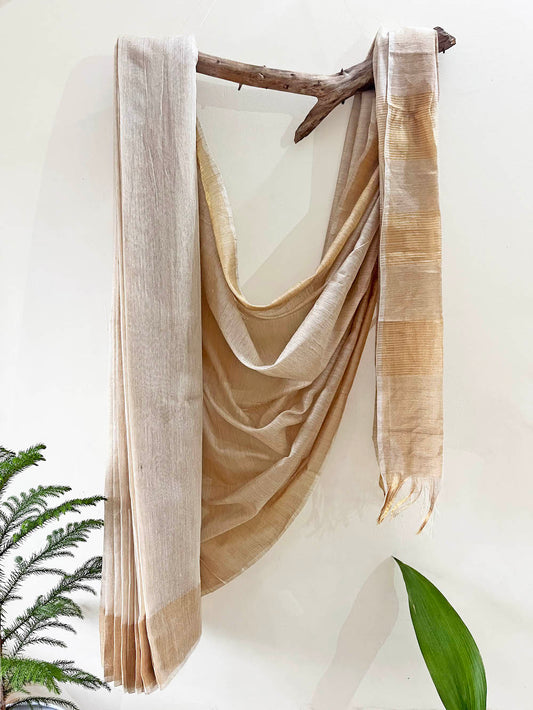
MUGA ZARI STRIPE SAREE

Rs. 3,599.00 INR

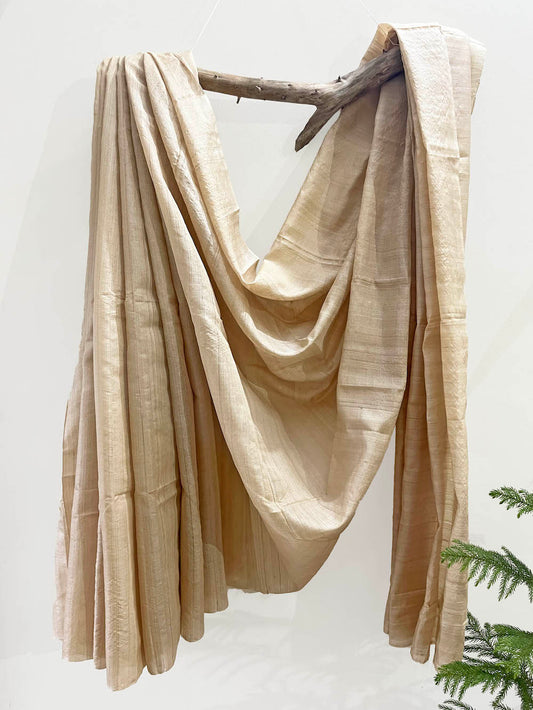
Tussar Silk Plain Saree

Rs. 5,799.00 INR

TUSSER GHEECHA ZARI STRIPE SILK SAREE

Rs. 3,999.00 INR

MUGA SILK DOBBY SAREE

Rs. 4,699.00 INR

ERI GHEECHA SILK SAREE ZARI STRIPE

Rs. 3,799.00 INR

Uses & Applications of Silk Sarees

Silk saree applications cover bridal wear, festive occasions, designer collections, corporate gifting, hospitality concierge, and craft-led retail. Muga silk sarees from Assam carry natural golden lustre that intensifies over years of wear, making them appropriate for wedding, anniversary, and heritage occasion wardrobes.

Eri Ahimsa silk works in everyday luxury wear, festive collections, and conscious-buyer wardrobes. Tussar Gheecha sarees serve designer collections, runway capsules, and craft-led retail buyers sourcing distinctive wild-silk character. Ajrakh-printed sarees suit summer collections and heritage-occasion wear with rooted Kutchi craft signature. 

Choose Suvetah for Wholesale & Bulk Orders for Pure Silk Sarees

Silk saree procurement runs on weaver-cluster capacity and silk-cocoon harvest cycles. Pilot orders for boutique buyers start at 5 sarees per design with 30 to 60 day timelines, scaling to 50-plus sarees per design for retail chains. The range carries Handloom Mark on handwoven sarees, Geographic Indication for Assam Muga and Eri origins, and OEKO-TEX Standard 100 on dyed and printed variants.

Sourcing covers Eri and Muga silk from Assam weaver cooperatives, Tussar from Bihar and Jharkhand clusters, Mulberry from Karnataka, and Ajrakh-printing from Kutch artisan villages. Custom development supports zari motif, border design, and pallu detailing with 45 to 90 day lead times depending on complexity. Quality assurance covers weave-density, silk-content verification, and weaver-attribution documentation per saree.


Frequently Asked Questions

What is Ahimsa silk and how is it different from regular silk?

Ahimsa silk, also called peace silk, allows the silkworm moth to complete its life cycle and emerge from the cocoon naturally before the silk is processed. Conventional silk extraction boils cocoons with the worm inside, killing it. Ahimsa silk delivers the same fibre quality without the animal harm.

Which silk saree types are available at Suvetah?

The catalogue covers Eri silk (Assam, Ahimsa), Muga silk (Assam, Geographic Indication), Tussar silk (Bihar and Jharkhand), Mulberry silk (Karnataka), and blended Ajrakh-printed cotton-silk sarees from Kutch. Each carries distinct weaving tradition and cluster origin.

What is the minimum order quantity for silk sarees?

MOQs start at 5 sarees per design for boutique pilot orders and 25 sarees per design for retail buyers. Custom-developed designs with new zari or border work start at 10 pieces minimum.

Are these silk sarees handwoven?

Yes. The saree range is handwoven on traditional looms in Assam, Bihar, Karnataka, and Kutch clusters with Handloom Mark certification per saree. Weaver attribution is documented and shared on request.