Buy 100% Pure Organic Fabrics Online in India
-
Swatch Book
Vendor:Suvetah FashionRegular price From Rs. 999.00 INRRegular price -
Buy Banana Fabric Online: Sustainable Textile by Suvetah
Vendor:Suvetah FashionRegular price From Rs. 225.00 INRRegular price -
Pure Bamboo Fabric India: Breathable, Soft, Naturally Hypoallergenic Material
Vendor:Suvetah FashionRegular price From Rs. 200.00 INRRegular price -
KALA COTTON HANDLOOM FABRIC
Vendor:Suvetah FashionRegular price Rs. 295.00 INRRegular price -
Buy Lotus Silk Fabric Online | Soft & Sustainable Vegan Textile
Vendor:Suvetah FashionRegular price Rs. 765.00 INRRegular priceRs. 765.00 INRSale price Rs. 765.00 INR -
SAPPAN WOOD POWDER
Vendor:Suvetah FashionRegular price From Rs. 55.00 INRRegular price -
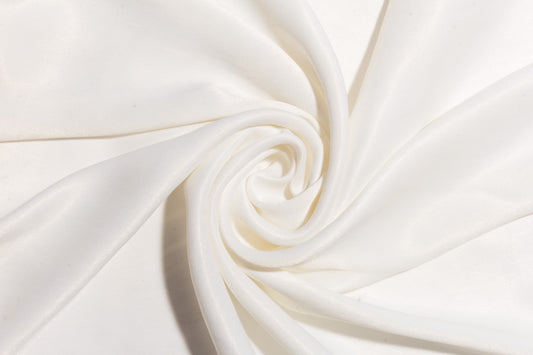
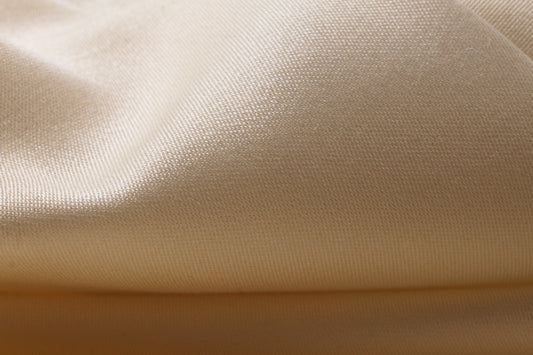
BEMBERG SATIN FABRIC
Vendor:SuvetahRegular price From Rs. 185.00 INRRegular price -
 Sale
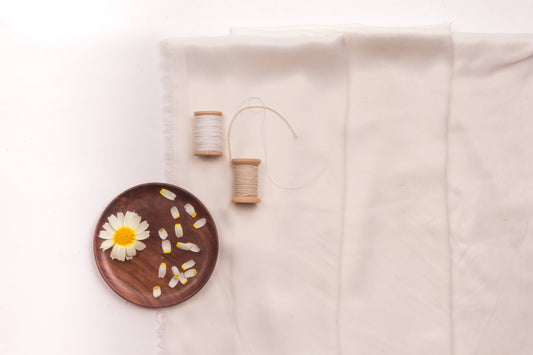
SaleORANGE FABRIC
Vendor:Suvetah FashionRegular price From Rs. 300.00 INRRegular priceRs. 650.00 INRSale price From Rs. 300.00 INRSale -
Buy Aloe Vera Fabric Online | Skin-Nourishing Functional Textile India | Suvetah
Vendor:Suvetah FashionRegular price From Rs. 350.00 INRRegular priceRs. 700.00 INRSale price From Rs. 350.00 INRSale -
Buy Recycled Cotton Fabric Online | Post-Consumer Upcycled Cotton Material India | Suvetah
Vendor:Suvetah FashionRegular price From Rs. 75.00 INRRegular price -
MADDER POWDER
Vendor:Suvetah FashionRegular price From Rs. 60.00 INRRegular price -
INDIGO EXTRACT
Vendor:Suvetah FashionRegular price From Rs. 160.00 INRRegular price -
 Sale
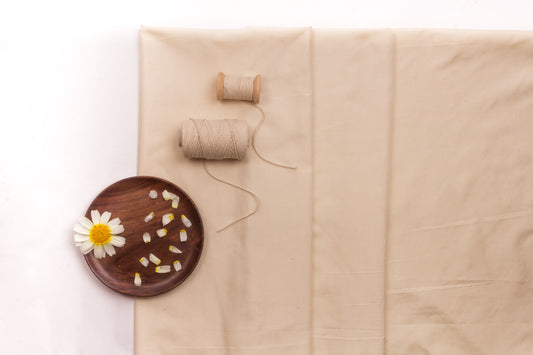
SaleERI SILK FABRIC
Vendor:Suvetah FashionRegular price From Rs. 460.00 INRRegular priceRs. 909.00 INRSale price From Rs. 460.00 INRSale -
Organic cotton double gauze
Vendor:Suvetah FashionRegular price From Rs. 140.00 INRRegular price -
Buy Bamboo Cotton Handloom Fabric Online | Artisan Woven Eco Blend India | Suvetah
Vendor:SuvetahRegular price From Rs. 200.00 INRRegular price -
Buy Khadi Cotton Fabric Online: Handwoven Breathable Organic Cotton
Vendor:Suvetah FashionRegular price From Rs. 138.00 INRRegular price -
AHIMSA MULBERRY SATIN SILK
Vendor:Suvetah FashionRegular price Rs. 1,550.00 INRRegular priceRs. 1,580.00 INRSale price Rs. 1,550.00 INRSale -
 Sale
SaleKALA COTTON FABRIC
Vendor:Suvetah FashionRegular price From Rs. 185.00 INRRegular priceRs. 369.00 INRSale price From Rs. 185.00 INRSale -
Catechu Power
Vendor:Suvetah FashionRegular price From Rs. 65.00 INRRegular price -
ANNATTO POWDER
Vendor:Suvetah FashionRegular price From Rs. 50.00 INRRegular price -
MYROBALAN POWDER
Vendor:Suvetah FashionRegular price From Rs. 40.00 INRRegular price -
HEMP COTTON BLEND
Vendor:Suvetah FashionRegular price From Rs. 200.00 INRRegular price -
BANANA COTTON HANDLOOM
Vendor:SuvetahRegular price From Rs. 300.00 INRRegular price -
Buy Recycled Cotton Fabric Online | Post-Consumer Upcycled Cotton Material India | Suvetah
Vendor:Suvetah FashionRegular price From Rs. 75.00 INRRegular price -
POMEGRANATE POWDER
Vendor:Suvetah FashionRegular price From Rs. 45.00 INRRegular price -
ORANGE CREPE FABRIC
Vendor:Suvetah FashionRegular price Rs. 585.00 INRRegular price -
Buy Tussar Silk Fabric Online | Natural Wild Silk Greige Cloth | Suvetah
Vendor:Suvetah FashionRegular price Rs. 710.00 INRRegular price -
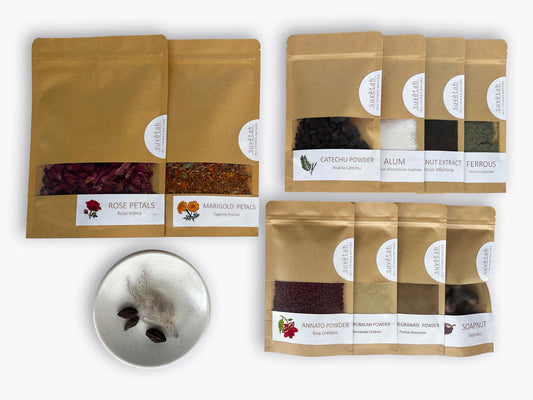
Natural Dyes Ingredients Kit
Vendor:Suvetah FashionRegular price Rs. 990.00 INRRegular price -
Buy Cotton Woven Fabric Online: Soft & Breathable
Vendor:Suvetah FashionRegular price Rs. 275.00 INRRegular price -
Eucalyptus Fabric
Vendor:SuvetahRegular price Rs. 630.00 INRRegular price -
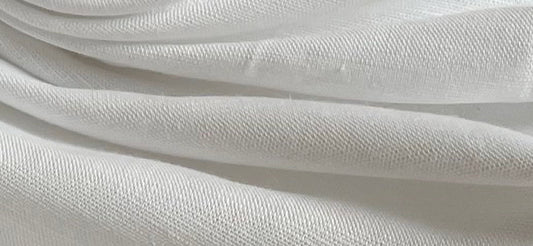
Pure Linen Fabric India: Breathable, Lightweight Linen Material for Summer
Vendor:Suvetah FashionRegular price From Rs. 375.00 INRRegular price -
MERINO TWILL
Vendor:SuvetahRegular price Rs. 920.00 INRRegular price -
Milk Fabric India: Soft, Breathable, Casein Protein Fibre Material
Vendor:SuvetahRegular price Rs. 585.00 INRRegular price

























Frequently Asked Questions
What makes a fabric genuinely organic?
GOTS certification covers the entire chain from farm to finished textile, including organic fibre status, dye chemistry, wastewater treatment, and labour conditions. OCS certifies the percentage of organic content in blended fabrics. Both certifications operate at facility level and require scope-specific verification for each product category.
What are the most popular organic fabrics at Suvetah?
Hemp variants in plain, herringbone, and twill weaves at 150-280 GSM lead by volume, followed by Khadi cotton at 80-180 GSM, organic cotton in knit and woven forms, and Merino wool. The full range covers 70-plus natural fabric SKUs across plant-based, cellulosic, and animal-derived families.
What is the minimum order quantity for organic fabrics?
MOQs start at 50 meters per SKU for pilot orders and 200 meters for production runs. Specialised handloom and certified-organic variants may carry higher minimums based on cluster availability and certification scope.
Can I get samples and customization on organic fabrics?
Sample swatches ship within 5 to 7 working days across India. Custom development supports specific GSM, weave structures, and natural dyeing through plant-based and AZO-free processes with 30 to 45 day timelines.
Are these fabrics safe for skin and infant use?
Yes. OEKO-TEX Standard 100 testing covers more than 100 chemical parameters including residual heavy metals, pesticides, and AZO dyes. Organic certification ensures absence of synthetic pesticides at the cultivation stage.