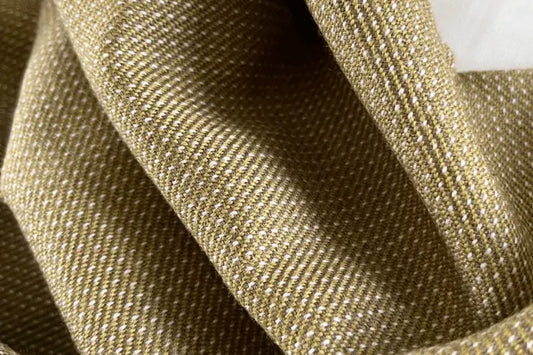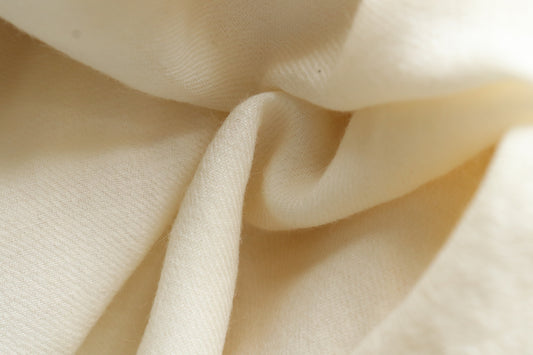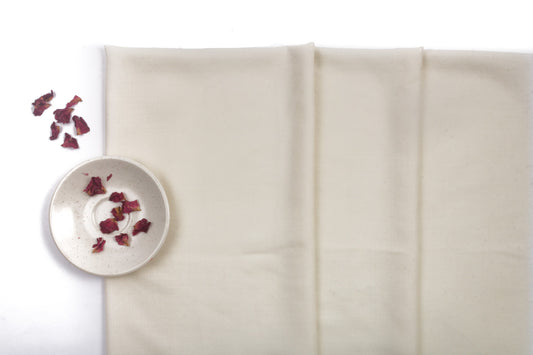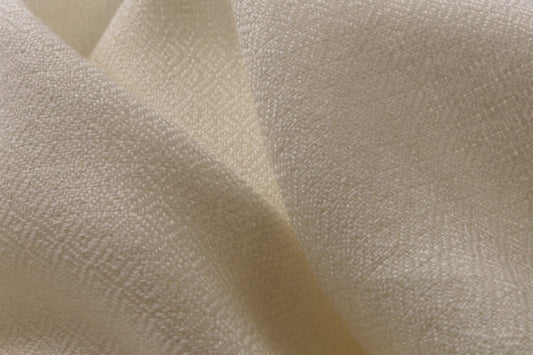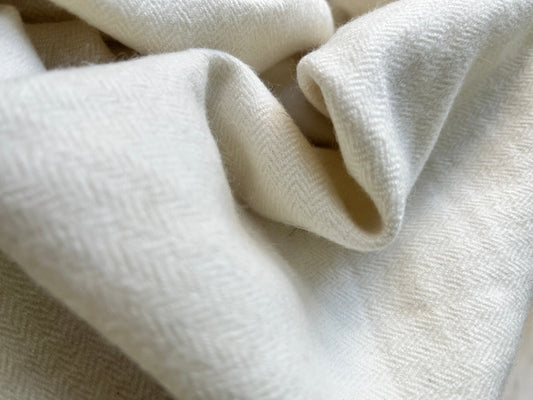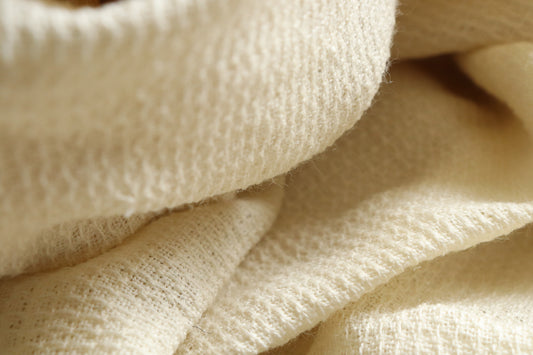
Wool fabrics are among the most enduring natural textiles used across apparel and interiors. Its natural crimp and scale structure trap air, allowing wool cloth to regulate temperature, manage moisture, and resist fire without chemical treatment. This makes Wool Fabrics a reliable choice for designers seeking performance, longevity, and sustainability in one material.
At Suvetah, wool is sourced and woven under a slow and soulful approach. Every woolen fabric is selected with attention to animal welfare, fiber traceability, and weaving integrity. The result is pure wool fabrics that meet modern design requirements while staying biodegradable and carbon conscious.
Buy Wool Fabrics Online – Natural & Sustainable
Buying Wool Fabrics online requires clarity on origin, fineness, and weave. Sustainable wool sourcing focuses on responsible land use and ethical animal practices. While many designers begin their sustainable journey with plant fibers, wool provides a complementary solution for colder climates and structured garments.
Suvetah’s online platform offers detailed technical information such as micron count and GSM. This allows buyers to select wool cloth confidently, whether ordering small quantities for sampling or bulk volumes for production. The process is designed to support both boutique labels and established manufacturers.
Shop Wool Fabrics by Type & Weave
Wool fabrics vary widely based on fiber fineness and weave structure. Fine merino wool offers softness suitable for next to skin wear, while coarser fibers provide strength for outerwear and accessories.
Twills are commonly chosen for durability and fluid drape, while patterned weaves introduce structure and visual depth. Suvetah produces wool fabrics that highlight natural fiber character rather than masking it with chemical finishes. This ensures each wool cloth performs well during tailoring and extended wear.
Bestselling Oragnic Wool Fabrics at Suvetah
Suvetah’s bestselling wool fabrics are chosen for versatility, comfort, and reliable performance across apparel and lifestyle applications.
These fabrics support a wide range of design needs from tailored garments to handcrafted accessories.
H2: How to Choose the Best Wool Fabric?
Choosing the right wool fabric starts with understanding how fiber fineness, weight, and construction affect performance and comfort.
Key Factors to Evaluate
1. Micron count: Fine micron wool is suitable for shirts, base layers, and garments worn close to skin. Higher micron wool offers better abrasion resistance for coats and upholstery.
2. Fabric weight: Lightweight wool works well for layering and transitional wear. Heavier wool cloth provides insulation and structure for outerwear.
3. End use durability: Tailoring, accessories, and home use each require different strength and recovery characteristics.
Uses of Wool Cloth - For Apparel & Accessories
Wool cloth adapts easily across seasons and product categories due to its natural breathability and fiber memory.
1. Apparel Applications
Wool fabrics are widely used for blazers, trousers, jackets, and winter layering pieces. Unlike Linen Fabric, wool retains shape better and naturally resists creasing, making it suitable for tailored silhouettes.
2. Accessories and Interior Use
In accessories, wool cloth is commonly used for scarves, shawls, and wraps. For interiors, wool supports throws, cushion covers, and acoustic elements due to its insulation and sound absorbing properties.
This versatility allows designers to extend wool fabrics beyond seasonal clothing into lifestyle collections.
Merino Twill vs Merino Herringbone: Key Differences
Both Merino twill and Merino herringbone are valued for tailoring, but they differ in structure and performance.
Merino Twill
- Diagonal weave pattern
- Smoother surface texture
- Greater flexibility and drape
-
Suitable for trousers, linings, and movement focused garments
Merino Herringbone
- Broken twill forming a subtle V pattern
- Higher dimensional stability
- Visual depth suited to outerwear
-
Preferred for coats and structured winter garments
At Suvetah, both weaves are produced using precise loom settings to maintain consistent definition and fabric balance.
Essential Care Tips for Wool Fabrics
Wool fabrics are naturally resilient but benefit from careful handling to preserve fiber integrity.
Recommended Care Practices
1. Wash only when necessary using cold water
2. Use a wool safe, pH neutral detergent
3. Avoid agitation and twisting during washing
4. Dry flat on a towel to prevent stretching
5. For collections using Eco Printed Natural Fabrics, dry in shade to protect natural dyes
Following these steps ensures wool fabrics retain their shape, softness, and performance over extended use.
Why Choose Suvetah Wool Fabrics
Suvetah combines ethical sourcing with technical expertise. While Bamboo Fabric is valued for softness, wool offers superior longevity and insulation without compromising comfort. All wool fabrics are biodegradable and free from permanent chemical coatings. We support circular textile practices by working directly with responsible produce. This approach ensures consistent quality while preserving traditional skills.