Linen Fabrics


Shop Premium Linen Fabrics

Linen fabrics earn their place through performance. Breathability, yarn strength, and seasonal adaptability are what matter most, and Suvetah’s linen collection is built around those fundamentals. Flax based textiles in this range focus on clean weaving, stable counts, and finishes that work well for both apparel and home use.

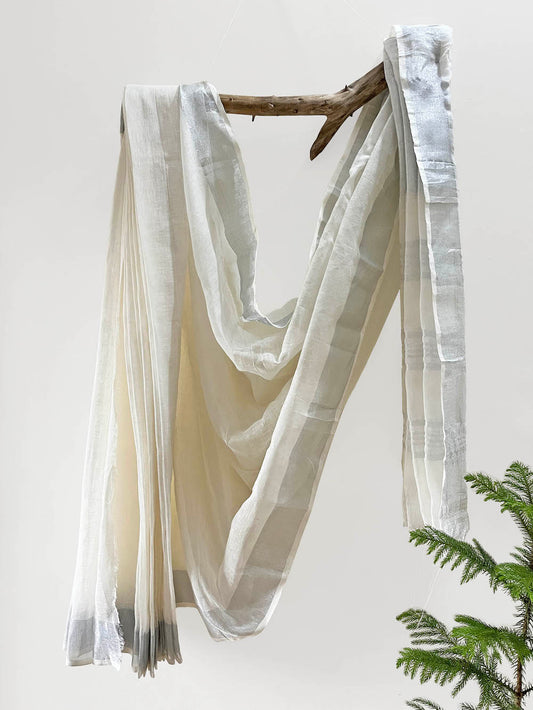
Seven premium linen options are available, with prices ranging from Rs. 370 to Rs. 3,999. The assortment includes plain linen for daily garments, herringbone textures for added structure, and linen zari sarees designed for elevated applications. All linen cloth in this collection comes in a standard 58 inch width. RFD finishes are available where applicable. 

What Is Linen Fabric? An Overview

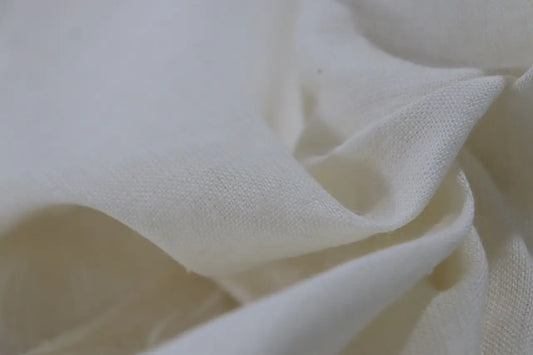
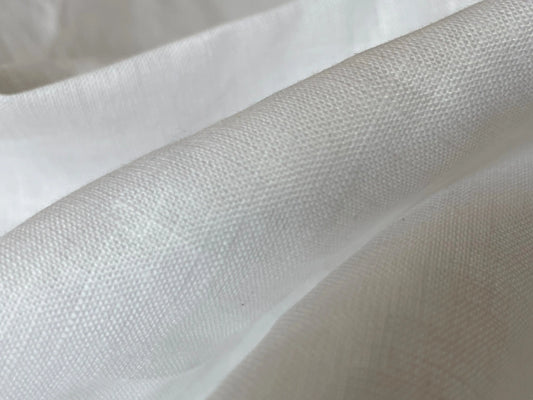
Linen fabric is made from flax plant fibers, known for their natural strength and long staple length. Once processed and woven, flax produces a textile that feels crisp initially and gradually softens without losing integrity.

Fabric specifications play a key role in linen performance. Suvetah’s linen fabrics generally range between 90 and 150 GSM, woven using 40 to 60 lea yarns. This balance allows linen cloth to remain breathable while holding its shape over repeated wear and washing cycles. Within the space of Natural Organic Fabrics, linen stands out for its minimal processing and reliable structure.

Why Choose Linen Fabrics Online at Suvetah?

Fabric sourcing works best when specifications are clear and consistent. Suvetah’s linen fabrics are selected for stable yarn quality, even weaving, and dependable finishing.

Low water flax sourcing, azo free dyeing options, and RFD finishes make these linens suitable for dyeing, printing, and garment development. Designers and brands often choose linen from this collection for its predictability during cutting and stitching. When compared to Kala Cotton Fabric, linen offers a firmer hand feel and sharper drape, especially for structured silhouettes.

Bestselling Linen Fabrics at Suvetah

Certain linen fabrics continue to attract steady demand due to their versatility and pricing.

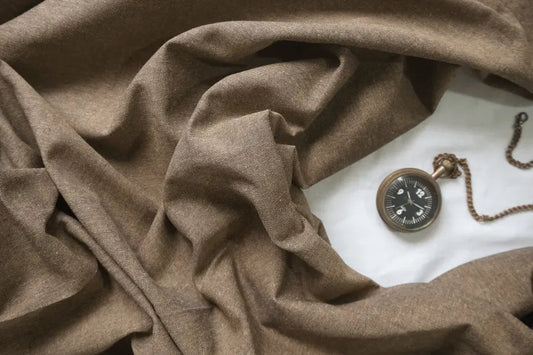
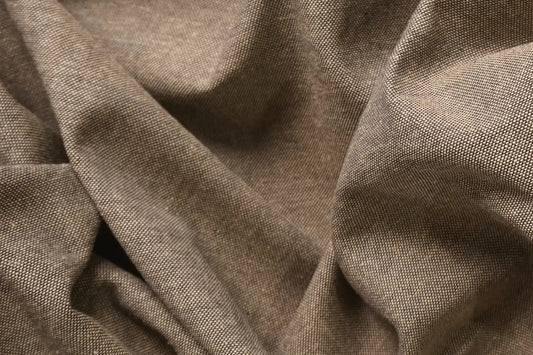
Brown Linen Flax, priced at Rs. 670, is frequently selected for everyday garments and home projects. Linen 40 Lea and Herringbone textures fall in the Rs. 700 to Rs. 705 range and are commonly used for shirts, co ords, and casual tailoring. The 100 percent Linen fabric at Rs. 730 with a 60 lea count remains a reliable option for summer wear. Linen zari sarees priced at Rs. 2,990 are preferred for occasion focused collections.

These choices reflect what buyers expect from organic linen fabrics that move easily from sampling to production.

Benefits of Linen for Everyday Wear

Linen earns its place in daily wardrobes through how it feels over time, not just on first wear. The fabric adapts to movement, repeated washing, and long hours of use, making it dependable beyond seasonal trends.

Why linen works for everyday use

  • Feels lighter on the body as the day progresses
  • Maintains a dry, breathable feel even with perspiration
  • Develops a softer hand without losing fabric integrity
  • Holds shape while allowing relaxed drape

Compared to standard Cotton fabric, linen cloth dries faster and retains freshness for longer hours, making it practical for daily wear.

Types of Linen Fabrics Available at Suvetah

Different weaving styles and yarn counts serve different purposes.

Plain and textured linens

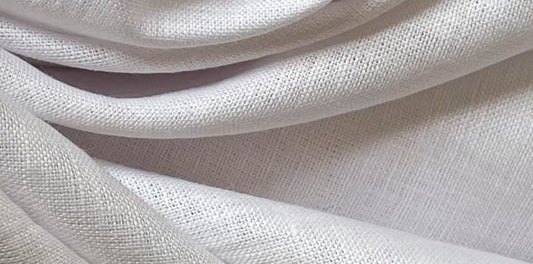
100 percent Linen at around 145 GSM offers balance for everyday garments. Brown Linen Flax at 155 to 160 GSM provides added body. Linen 40 Lea at 120 to 125 GSM works well for lighter apparel.

Patterned and premium linens

Herringbone weaves add visual depth without compromising breathability. Yarn dyed checks bring pattern through structure rather than surface printing. Linen zari sarees sit at the premium end, designed for traditional and occasion wear.

How to Choose the Right Linen for Your Project

Project requirements should guide linen selection.

Garments intended for summer wear benefit from linens between 90 and 120 GSM. Structured apparel and home textiles often require 145 GSM and above. RFD linen is preferred for custom dyeing, while yarn dyed options suit pattern led designs. Designers sometimes pair linen with fibers like bamboo fabric to balance softness with structure.

Bulk buyers should also factor in availability, repeatability, and pricing consistency before finalising a selection.

Linen Fabric Uses — Apparel, Home & More

Linen fabrics adapt well across categories due to their strength and breathability. Common apparel uses include shirts, dresses, trousers, skirts, tunics, and sarees. Home applications range from curtains and cushion covers to table runners. Linen cloth also works well for brands exploring printing and dyeing, thanks to its high absorption and surface stability.

Care & Washing Guide for Linen Fabrics

Proper care helps linen fabrics age well and maintain their natural performance.

Linen care essentials

  • Wash linen cloth in cold water using a gentle cycle
  • Hand washing is suitable for finer or loosely woven linens
  • Use mild detergents to protect flax fibers
  • Avoid bleach to prevent fiber weakening and color loss
  • Skip tumble drying and dry linen in shade for best results
  • Iron while slightly damp if a smoother finish is preferred

With regular care, linen fabrics soften over time while retaining structure, breathability, and color depth.


Frequently Asked Questions

What is linen fabric and how is it made?

Linen fabric is made from fibers of the flax plant. The fibers are extracted, spun into yarn, and woven into cloth known for its natural strength, breathability, and ability to soften with wear while retaining structure.

What are the benefits of using linen fabrics?

Linen fabrics offer excellent breathability, moisture control, durability, and comfort for daily wear. The fibers remain strong over time, improve in softness with washing, and support sustainable production due to low water and chemical use.

Is linen fabric suitable for hot and humid weather?

Yes. Linen fabric performs well in hot and humid weather due to its open weave and quick moisture release. It allows heat to escape efficiently, keeping the body comfortable during long wear in warm climates.

How do I care for and wash linen fabric properly?

Linen fabric should be washed in cold water using a gentle cycle or by hand. Air drying in shade is recommended. Avoid bleach and high heat to maintain fiber strength and prevent shrinkage.

Can linen fabrics be naturally dyed or printed?

Linen fabrics absorb dyes and prints well due to their fiber structure. They work effectively with natural and azo free dyes, as well as screen and digital printing methods, making them suitable for custom textile projects.

Do you offer linen fabric swatches or bulk order options?

Yes. Bulk orders are available with a minimum order quantity of 100 meters. Swatches and wholesale inquiries can be requested by contacting fabrics@suvetah.com for availability and details.