Powerloom Fabric for Consistent Apparel and Textile Production
-
Buy Banana Fabric Online: Sustainable Textile by Suvetah
Vendor:Suvetah FashionRegular price From Rs. 225.00 INRRegular price -
Pure Bamboo Fabric India: Breathable, Soft, Naturally Hypoallergenic Material
Vendor:Suvetah FashionRegular price From Rs. 200.00 INRRegular price -
Buy Lotus Silk Fabric Online | Soft & Sustainable Vegan Textile
Vendor:Suvetah FashionRegular price Rs. 765.00 INRRegular priceRs. 765.00 INRSale price Rs. 765.00 INR -
BEMBERG SATIN FABRIC
Vendor:SuvetahRegular price From Rs. 185.00 INRRegular price -
 Sale
SaleORANGE FABRIC
Vendor:Suvetah FashionRegular price From Rs. 300.00 INRRegular priceRs. 650.00 INRSale price From Rs. 300.00 INRSale -
Buy Aloe Vera Fabric Online | Skin-Nourishing Functional Textile India | Suvetah
Vendor:Suvetah FashionRegular price From Rs. 350.00 INRRegular priceRs. 700.00 INRSale price From Rs. 350.00 INRSale -
Buy Recycled Cotton Fabric Online | Post-Consumer Upcycled Cotton Material India | Suvetah
Vendor:Suvetah FashionRegular price From Rs. 75.00 INRRegular price -
Organic cotton double gauze
Vendor:Suvetah FashionRegular price From Rs. 140.00 INRRegular price -
HEMP COTTON BLEND
Vendor:Suvetah FashionRegular price From Rs. 200.00 INRRegular price -
Buy Recycled Cotton Fabric Online | Post-Consumer Upcycled Cotton Material India | Suvetah
Vendor:Suvetah FashionRegular price From Rs. 75.00 INRRegular price -
ORANGE CREPE FABRIC
Vendor:Suvetah FashionRegular price Rs. 585.00 INRRegular price -
Buy Cotton Woven Fabric Online: Soft & Breathable
Vendor:Suvetah FashionRegular price Rs. 275.00 INRRegular price -
Eucalyptus Fabric
Vendor:SuvetahRegular price Rs. 630.00 INRRegular price -
Pure Linen Fabric India: Breathable, Lightweight Linen Material for Summer
Vendor:Suvetah FashionRegular price From Rs. 375.00 INRRegular price -
Milk Fabric India: Soft, Breathable, Casein Protein Fibre Material
Vendor:SuvetahRegular price Rs. 585.00 INRRegular price -
SOYA FABRIC
Vendor:Suvetah FashionRegular price Rs. 465.00 INRRegular priceRs. 465.00 INRSale price Rs. 465.00 INR -
Pure Hemp Fabric India: Breathable, Durable, Naturally Soft Hemp Material
Vendor:Suvetah FashionRegular price From Rs. 465.00 INRRegular price -
ORGANIC COTTON TWILL
Vendor:Suvetah FashionRegular price Rs. 400.00 INRRegular price -
100% ORGANIC HEMP FABRIC
Vendor:Suvetah FashionRegular price From Rs. 480.00 INRRegular price -
Vegan Silk Fabric India: Bemberg Satin, Cruelty-Free, Sustainable Silk Alternative
Vendor:SuvetahRegular price Rs. 450.00 INRRegular price -
HEMP COTTON CANVAS
Vendor:Suvetah FashionRegular price Rs. 900.00 INRRegular price -
LINEN FABRIC
Vendor:Suvetah FashionRegular price Rs. 700.00 INRRegular price -
ORGANIC COTTON CANVAS FABRIC
Vendor:Suvetah FashionRegular price Rs. 385.00 INRRegular price -
Hemp Mesh Fabric
Vendor:Suvetah FashionRegular price Rs. 558.00 INRRegular price -
HEMP COTTON FABRIC
Vendor:Suvetah FashionRegular price Rs. 595.00 INRRegular price -
Buy Corduroy Fabric Online: Lightweight and Breathable
Vendor:Suvetah FashionRegular price Rs. 509.00 INRRegular price -
HEMP BAMBOO FABRIC
Vendor:SuvetahRegular price Rs. 650.00 INRRegular price -
100% ORGANIC HEMP TWILL FABRIC
Vendor:Suvetah FashionRegular price From Rs. 625.00 INRRegular price -
Linen 40 Lea fabric
Vendor:Suvetah FashionRegular price Rs. 705.00 INRRegular price -
HEMP COTTON TWILL
Vendor:Suvetah FashionRegular price From Rs. 420.00 INRRegular price -
100% HEMP HERRINGBONE FABRIC
Vendor:Suvetah FashionRegular price From Rs. 625.00 INRRegular priceRs. 1,119.00 INRSale price From Rs. 625.00 INRSale -
HEMP COTTON HERRINGBONE
Vendor:SuvetahRegular price Rs. 820.00 INRRegular price






















Frequently Asked Questions
What is powerloom fabric and how is it made?
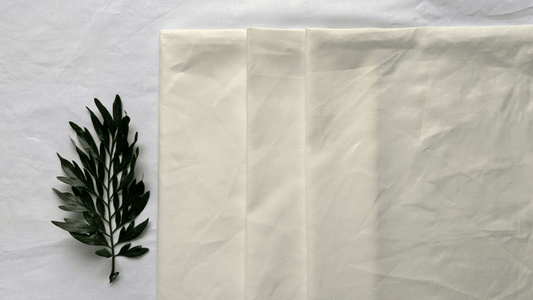
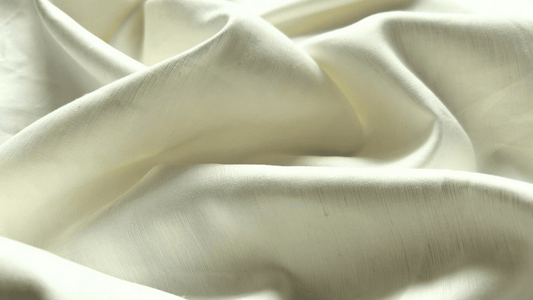
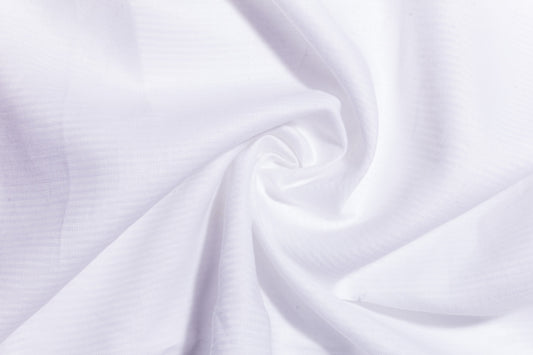
Powerloom fabric is woven on a mechanised loom driven by electricity rather than by hand. The warp and weft are interlaced at machine speed, which produces an even surface and tight tolerance on width, GSM and sett across a lot.
What is the difference between powerloom and handloom fabric?
A power loom produces metres per machine hour with consistent width and weight; a handloom produces metres per weaver per day with visible variation. Power loom suits volume and print bases, handloom suits craft ranges sold on provenance.
Is powerloom fabric suitable for bulk garment production?
Yes, and it is generally the better choice. Tight tolerance makes cutting yield predictable across a large marker, and shade and construction can be matched on reorders in a way handloom cannot reliably offer.
Can I buy powerloom fabric in bulk from Suvetah?
Yes. Minimum order is 100 metres per fabric, with custom development on a 30 to 45 day cycle. Confirm the trading unit on terry constructions, since pile fabrics are often quoted by weight rather than by length.