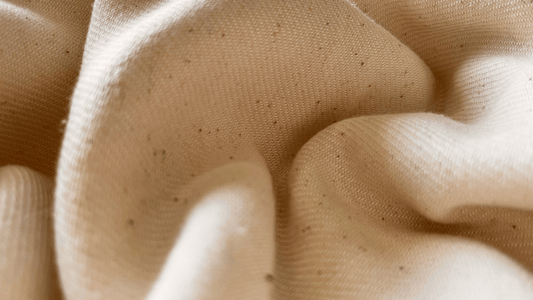
Handloom Fabric for Apparel, Home Textiles and Contemporary Indian Collections

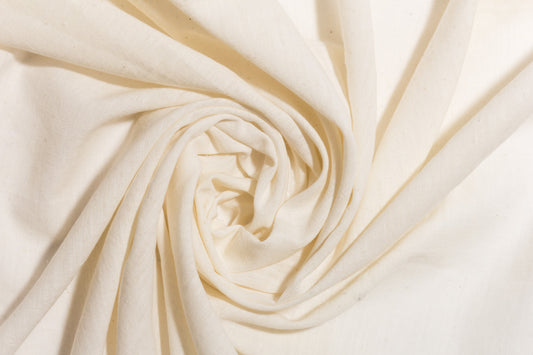
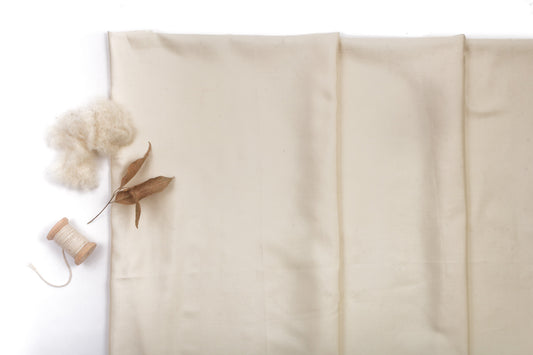
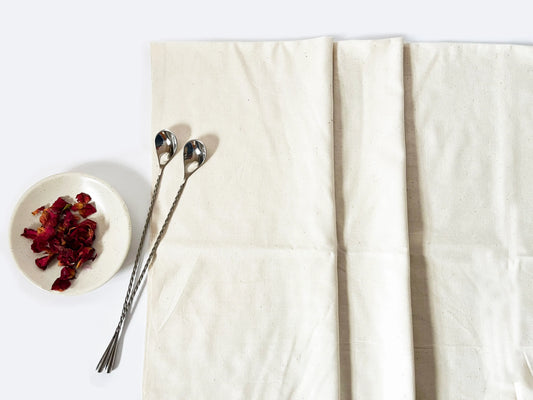
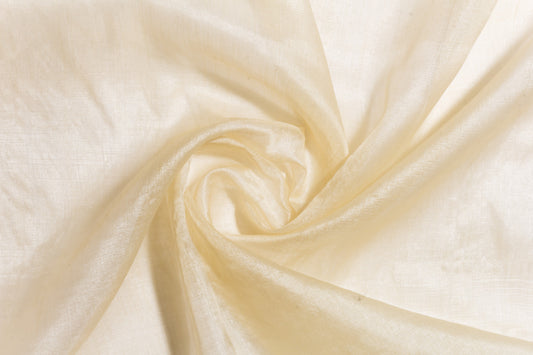
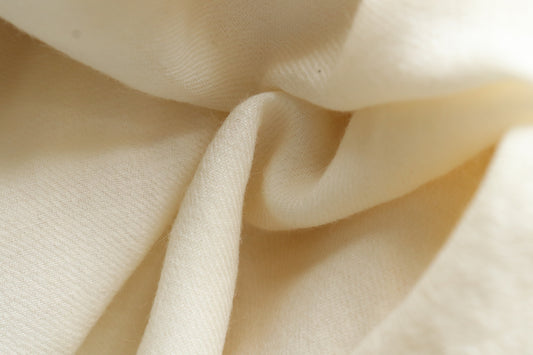
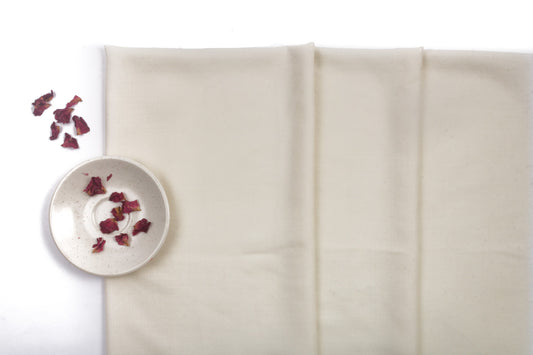
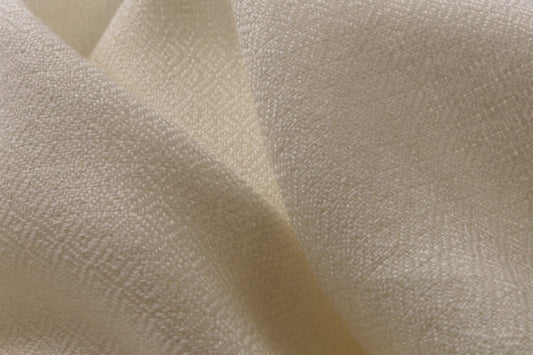
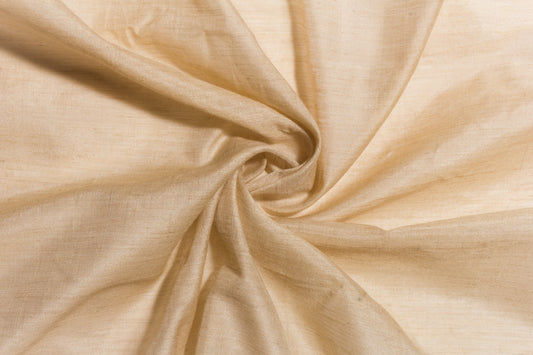
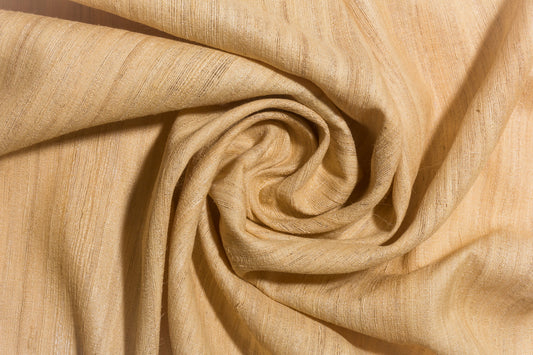
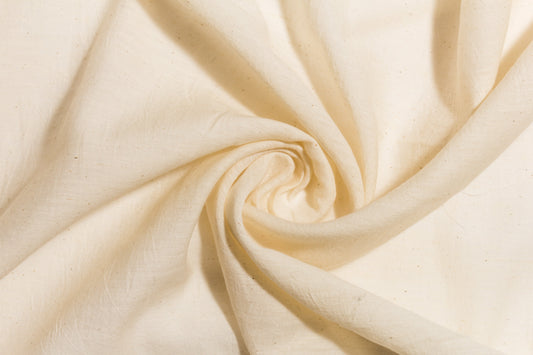
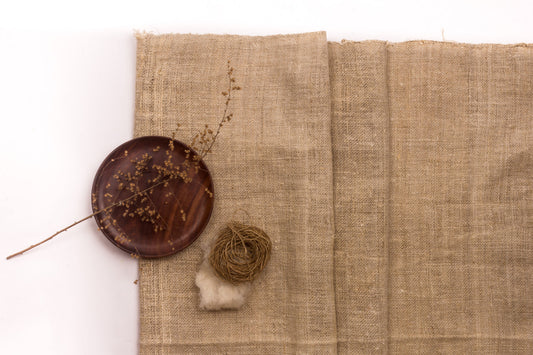
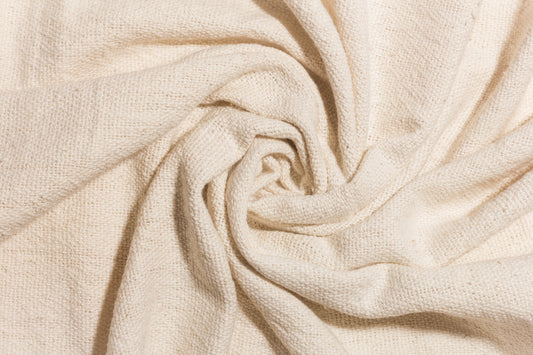
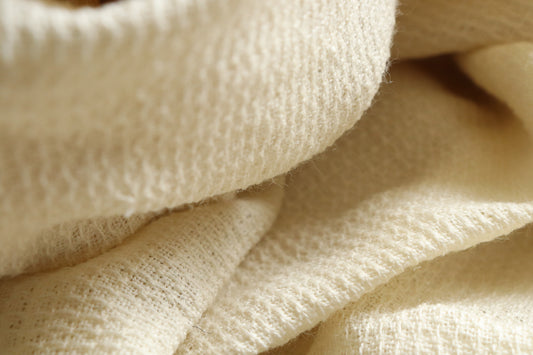
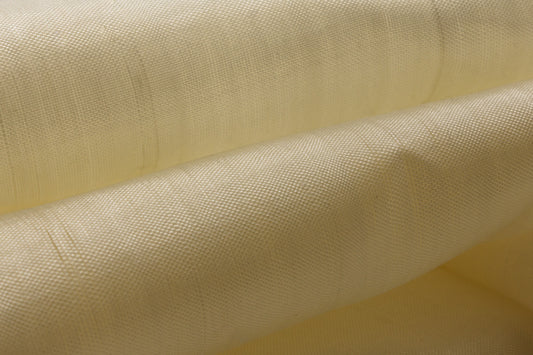
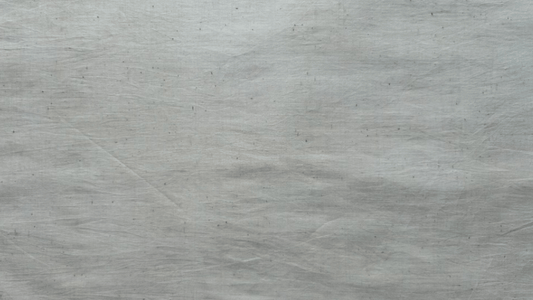
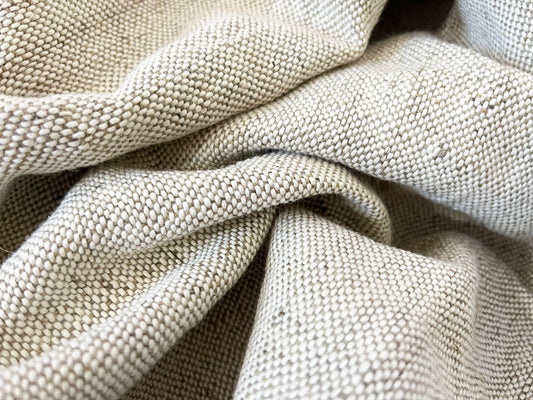
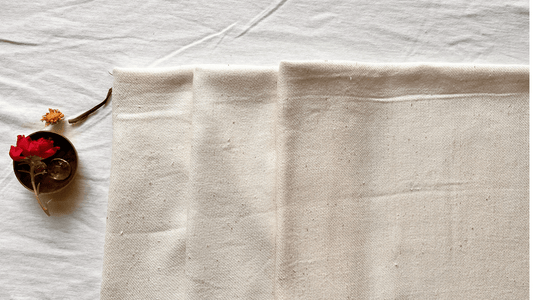
Handloom fabrics at Suvetah bring together cotton, khadi, Kala Cotton, hemp, banana, bamboo and silk blends for apparel, home textiles, craft-led collections and bulk sourcing.

Buy 100% Pure Handloom Fabrics Online in India

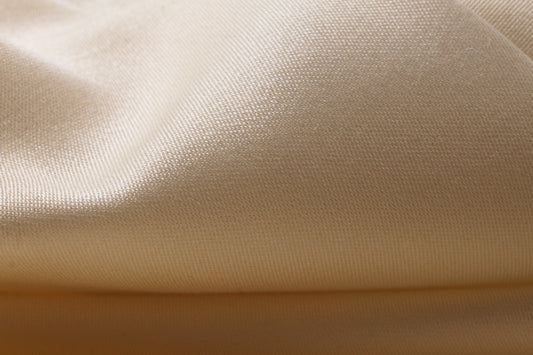
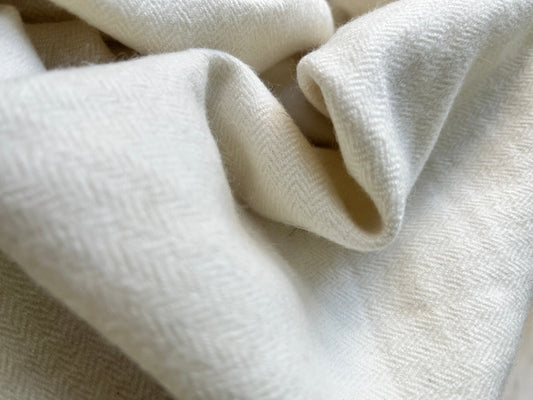
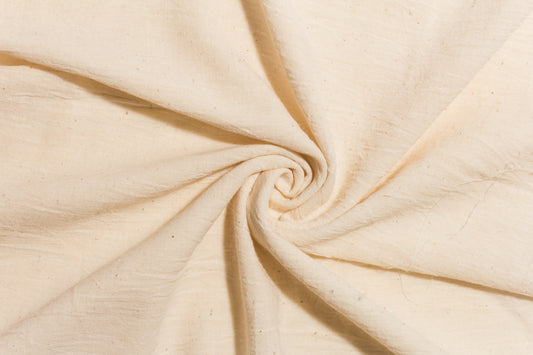
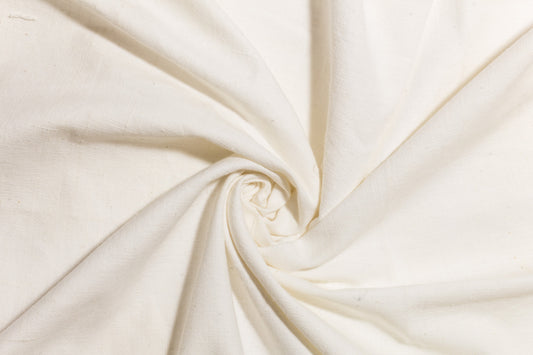
Handloom describes how fabric is woven, not what fibre it contains. The collection therefore spans cotton, hemp, banana, bamboo and silk blends, with each fabric offering a different combination of weight, texture, drape and end use.

The listed fabrics range from Rs. 200 to Rs. 755 per metre. The selection includes:

  • Cotton and khadi for versatile apparel and everyday garments
  • Kala Cotton for a more pronounced, textured surface
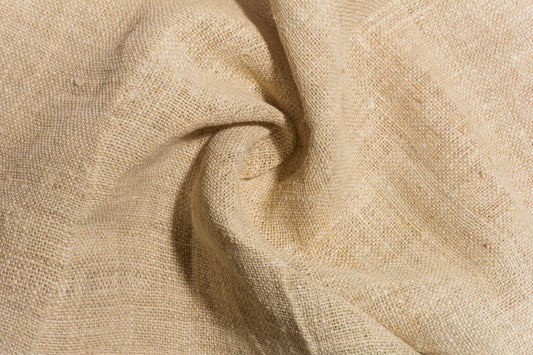
  • Hemp and hemp-cotton for fabrics that need greater body and structure
  • Banana and bamboo blends for softer, textural fabric options
  • Khadi silk for festive and occasion-led garments

For buyers comparing indigenous cotton options, the Kala Cotton fabric collection provides a separate range of handwoven fabrics from Kutch.

The key sourcing distinction is that handloom production is manually operated, so output is measured by metres produced per weaver rather than by machine-hour capacity. This affects production speed, consistency and lead-time planning.

Bestselling Handloom Fabrics at Suvetah

Fabric

Price per metre
Suited to

Bamboo Cotton Handloom

From Rs. 200

Soft-hand everyday apparel

Handloom Cotton 10 Count

From Rs. 230

Coarse-count kurtas and craft-led ranges

Handloom Cotton 0 Count

From Rs. 250

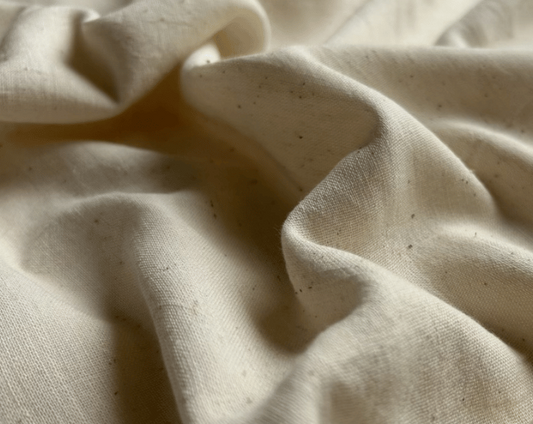
Heavier khadi with visible slub

Kala Cotton Handloom

Rs. 295

Bold motif work and relaxed silhouettes

Banana Handloom

From Rs. 298

Textural summer apparel

Banana Cotton Handloom

From Rs. 300

Softer banana blend for daily wear

Khadi Silk

From Rs. 310

Blouses, bodices and festive layers

Organic Cotton Handloom

Rs. 330

Organic cotton shirting

Kala Cotton Bamboo Plain Weave

Rs. 430

Lightweight structured apparel

Handloom Hemp and Handloom Cotton

Rs. 750

Structured unlined tailoring

Hemp Handloom

Rs. 755

Jackets, outerwear and heavier applications

Handloom pricing reflects several factors, including weaving time, yarn, construction, finishing and the scale of production. Because the weaving process depends on individual loom capacity, higher prices do not necessarily indicate a different fibre category or luxury positioning.

Why Choose Sustainable Handloom Fabrics for Your Business?

Handloom can support sourcing programmes that value manual production and documented craft networks, but its sustainability attributes should be assessed by production stage rather than treated as a single blanket claim.

Lower energy use at the weaving stage

A handloom is manually operated rather than mechanically powered during weaving. This means electricity consumption associated specifically with the weaving operation can be substantially lower than that of an electrically powered loom.

However, this does not make the entire fabric production process energy-free.

  • Spinning, dyeing, washing and finishing can still require energy.
  • The lower-energy characteristic applies specifically to the weaving stage.
  • Sustainability claims should therefore identify the production stage they refer to.

Documented craft continuity

Sourcing from handloom clusters supports continued production through artisan-led weaving networks. For buyers, the production method can also be verified through appropriate documentation.

Handloom Mark is relevant to the authenticity of handwoven textiles. It should not, however, be used as evidence of organic fibre cultivation, fibre composition or broader environmental performance.
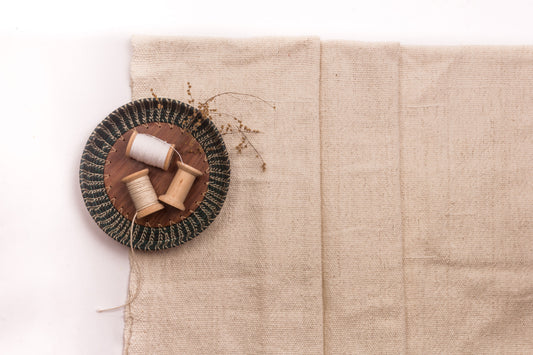
For larger commercial orders, lot-level sourcing information can provide additional context around the weaving cluster and production route.

The constraint

Handloom production has a different capacity model from power-loom production. Output depends on the number of working looms, weavers, fabric construction and the time required to produce the specified yardage.

For brands, this means production planning needs to account for:

  • Metres produced per weaver and loom
  • Potential variation in handwoven construction
  • Fabric availability across different production periods
  • Additional time required for custom counts, weaves and dyeing

Handloom is therefore better planned around confirmed capacity and sampling timelines than treated like a standard mill-fabric order.

Uses & Applications of Handloom Fabrics

Fabric weight, yarn count, weave structure and surface are important factors when selecting handloom fabric for a finished product. Fibre alone does not determine the application.

Apparel

Lighter cotton and khadi constructions can work well for kurtas, shirts and dresses where a breathable, natural-fibre fabric is preferred. Kala Cotton and banana blends can add visible texture to craft-led or relaxed apparel collections.

Hemp and hemp-cotton fabrics can provide more body for jackets, overshirts and unlined tailoring, depending on their specific construction.

For lighter warm-weather requirements, explore best fabrics for summer clothing.

Home textiles

Heavier handloom constructions can be considered for cushion covers, table runners, throws and other home textile applications.

Small variations in texture, yarn and weave can be part of the character of a handwoven fabric. However, acceptable variation should still be assessed against the agreed specification during sampling and quality inspection.

Dyeing and printing base

Handloom fabric can be used for natural dyeing and printing, but the outcome depends on fibre composition, yarn preparation, weave construction and finishing.

For brands developing colour-led collections, Suvetah's natural dyeing services can support fabric development. The weave also influences how a printed motif appears, so artwork scale should be evaluated on the actual fabric rather than only on a digital mock-up.

For a basic explanation of flat woven structures, see what is flat woven fabric.

Choose Suvetah for Wholesale & Bulk Orders of Handloom Fabric

Suvetah accepts bulk handloom orders from 100 metres per fabric. Sampling should precede larger production because hand, count, weave and surface characteristics are difficult to evaluate accurately from a screen alone.

For bulk sourcing:

  • Custom development: 30 to 45 days for count, weave structure and natural dyeing, subject to development requirements
  • Handwork: additional time may be required for embroidery and other manual processes
  • Quality control: four-point fabric inspection and pre-production sample approval before dispatch
  • Manufacturing: approved fabric can continue into clothing manufacturing services

Handloom production can have greater lead-time variation than power-loom production. Brands should therefore confirm fabric availability, development timelines and production capacity before committing to a final delivery schedule.

For warm-weather collections that require a lighter fabric direction, the best fabrics for summer clothing guide provides additional options.

For wholesale and custom fabric enquiries, contact fabrics@suvetah.com.


Frequently Asked Questions

What is handloom fabric and how is it made?

Handloom fabric is woven on a manually operated loom rather than an electrically powered power loom. The process involves preparing the yarn, setting the warp and interlacing the yarns to form the fabric. Manual production can result in subtle variations in texture and construction.

What is the difference between handloom and powerloom fabric?

Handloom fabric is produced on a manually operated loom, while powerloom fabric is produced using mechanised equipment. Handloom production generally has lower weaving capacity and can show greater surface variation, while powerloom production is designed for higher speed and greater consistency.

Which handloom fabrics are available at Suvetah?

The collection includes handloom cotton in different counts, khadi, khadi silk, Kala Cotton, hemp, hemp-cotton, banana and bamboo blends. The currently listed products range from Rs. 200 to Rs. 755 per metre.

Can I buy handloom fabric in bulk for fashion brands?

Yes. Suvetah's stated minimum order quantity is 100 metres per fabric. Custom development is listed at 30 to 45 days, depending on the requirements for count, weave structure and dyeing. Actual timelines should be confirmed for the specific fabric and order.