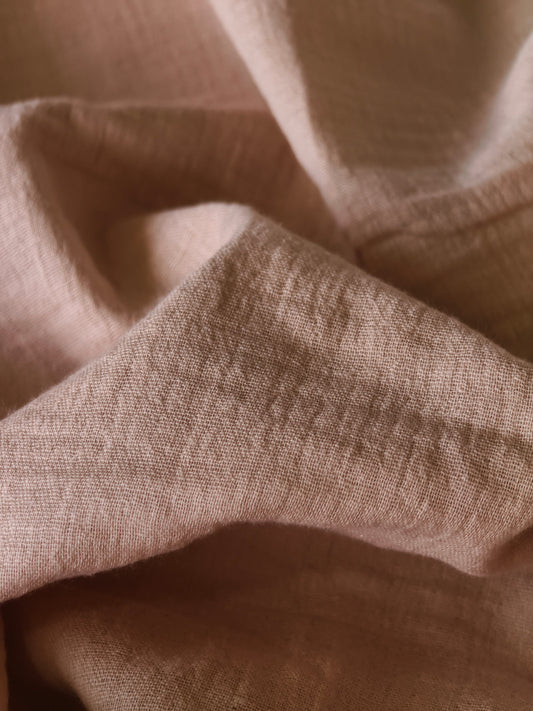
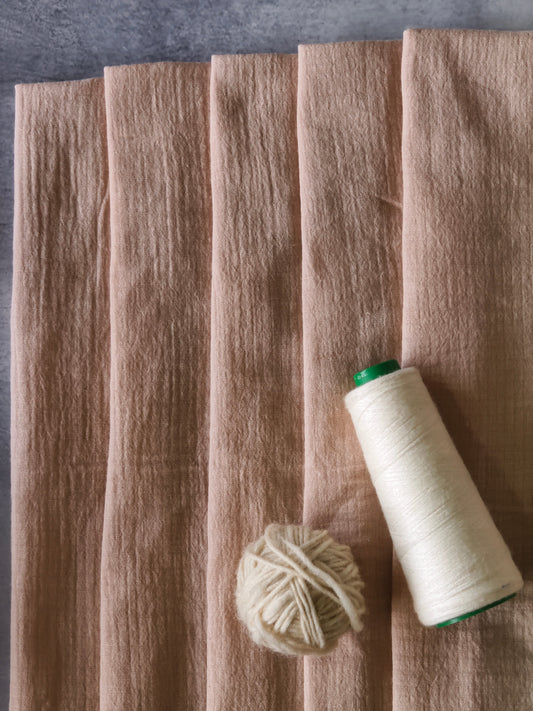
Buying Printed Fabric Online should be simple, clear, and reliable for quality checks. Many buyers struggle to find Printed Fabrics that offer both strong prints and safe fiber composition.
Suvetah focuses on Printed Fabric made from plant based yarns and natural dye sources so the Printed Fabric Material performs well in stitching, washing, and long term use. Each fabric is produced using controlled dye methods, tested color fixation, and breathable yarn structure.
Designers, tailors, and fashion lines can choose prints that support both garment construction and skin comfort without relying on synthetic coatings.
Shop Printed Fabric by Type, Material & Pattern
Printed Fabrics differ based on print method, fiber base, and dye source. Make yourself families with these categories to choose the correct Printed Fabric Material for garment type, climate use, and stitch requirement.
1. Block Printed Fabrics
Block printing uses hand carved wooden blocks and natural mordants to bind pigment to fiber. Slight print variation is normal and confirms manual printing. This Print on Fabric method works best on Printed Fabric Cotton because cotton fibers absorb dye evenly and hold line detail clearly.
2. Naturally Dyed Fabrics
Natural Dyed Printed Fabric uses plant extracts such as indigo, madder root, and iron solution. These dyes bond with fiber through heat and mordants instead of chemical fixers. Such printed fabrics age gradually and maintain tone depth instead of fading unevenly.
3. Herbal & Botanical Prints
Botanical printing transfers leaf and flower pigments directly onto cloth through steaming. The plant releases tannins which react with fiber and create natural impressions. These Printed Fabrics suit buyers who want low process textiles with minimal chemical input.
4. Bold & Vibrant Prints
Strong color prints can also be achieved using natural dye layering. Multiple dye baths and mineral fixers improve color fastness and wash stability. These Printed Fabrics are suitable for statement garments, fashion collections, and retail displays where color strength matters.
Bestselling Oragnic Printed Fabrics at Suvetah
Buyers often look for proven fabrics before testing new materials. The following table lists popular Printed Fabric Online options selected frequently by designers and garment makers.
Premium Printed Fabric for Designers, Boutiques & Brands
Professional buyers need consistency and repeat shade accuracy. Suvetah supplies Printed Fabrics with batch tracking and fiber specifications so production teams can maintain uniform quality. Low minimum order quantities support sampling and small batch launches. Options include bases such as Linen Fabric for structured garments and breathable summer collections. Reliable sourcing allows brands to scale production without changing suppliers or compromising textile standards.
Printed Fabric for Dressmaking, Kurtis & Ethnic Wear
Different garments require specific weights, weaves, and print absorption levels. Selecting the right Printed Fabric Material ensures clean stitching and proper fall.
1. Printed Fabric for Kurtis & Tunics
Medium weight fabrics around 120 to 150 GSM work best as Printed Fabric for Kurti styles. They balance breathability with durability and hold prints sharply after repeated washes. Kala Cotton Fabric is widely used in this category because of its strength and moisture absorption.
2. Printed Fabric for Designer Dresses
Flow based garments need flexible yarn movement. Bamboo Fabric offers smooth drape and a soft surface feel that supports gathers, pleats, and layered silhouettes. Designers often choose these Printed Fabrics for modern dress patterns.
3. Printed Fabric for Ethnic Ensembles
Traditional wear benefits from handloom bases printed with heritage motifs. Eco-Printed Natural Fabrics are commonly used for dupattas and sarees since they combine cultural design with breathable structure.
How to Select the Right Printed Fabric Before You Buy
GSM shows how thick a fabric is and helps you decide its best use. Lighter GSM fabrics work well for scarves or layers, while heavier ones suit trousers and structured garments. Fabric width affects how much material you need for cutting and pattern placement. Texture also gives useful clues. Organic Printed Fabric often feels slightly crisp instead of smooth or slippery, which usually means it has not been treated with synthetic coatings. Checking these factors makes it easier to choose fabric that fits your garment purpose.
Care, Washing & Longevity of Printed Fabric
Proper washing keeps Printed Fabrics stable for long periods. Natural dyes react poorly to harsh detergents or bleach, so mild liquid cleansers work best. Many natural fiber textiles resist odor buildup, so frequent washing is unnecessary. Reduced washing preserves Print on Fabric clarity, maintains fiber strength, and extends garment life. Air drying is preferred for shape retention.
How Suvetah Sources Sustainable Printed Fabrics
Suvetah works directly with farms, spinning units, and artisan clusters. Cotton is sourced from rain fed regions, yarn is processed without toxic finishing agents, and printing units reuse water through filtration systems. This sourcing structure ensures Printed Fabric Online buyers receive materials that meet traceability and safety standards while supporting craft communities.