Dyed Fabrics
-
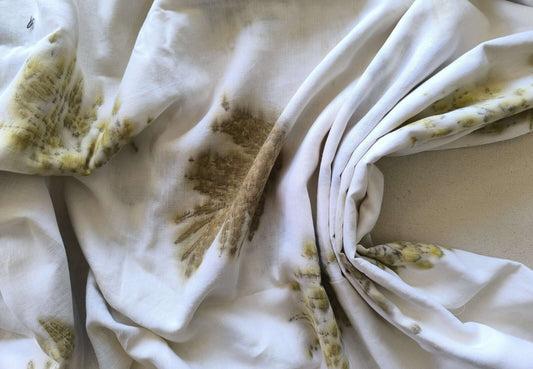
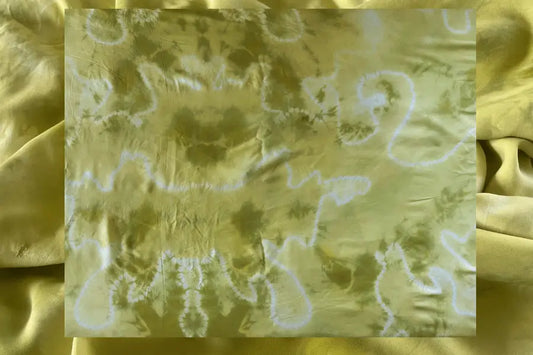
Woodland Imprint
Vendor:SuvetahRegular price Rs. 1,300.00 INRRegular price -

 Sold out
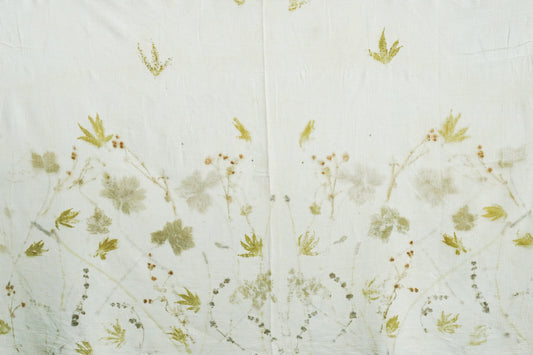
The forgotten Garden
Vendor:SuvetahRegular price Rs. 1,300.00 INRRegular price -

 Sold out
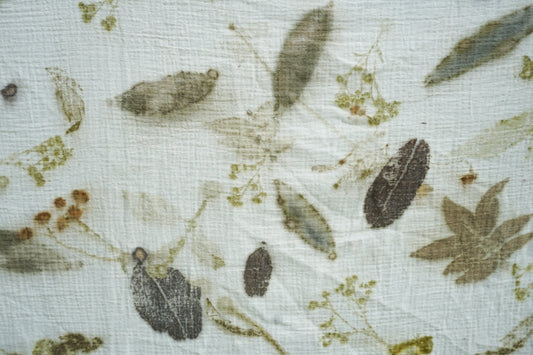
Fern and Sky
Vendor:SuvetahRegular price Rs. 1,360.00 INRRegular price -
SU-BF-101 Black
Vendor:SuvetahRegular price Rs. 580.00 INRRegular price -
AZURE MIST
Vendor:SuvetahRegular price Rs. 449.00 INRRegular price -
Obsedian Flow
Vendor:SuvetahRegular price Rs. 449.00 INRRegular price -
DUSTY PLUM
Vendor:SuvetahRegular price Rs. 445.00 INRRegular price -
Cream Sand
Vendor:SuvetahRegular price Rs. 749.00 INRRegular price -
Pink Slush
Vendor:SuvetahRegular price Rs. 1,099.00 INRRegular price -
OBSEDIAN FLOW OC-201 SATIN
Vendor:SuvetahRegular price Rs. 499.00 INRRegular price -
Organic Cotton Satin - Forest Green
Vendor:SuvetahRegular price Rs. 499.00 INRRegular price -
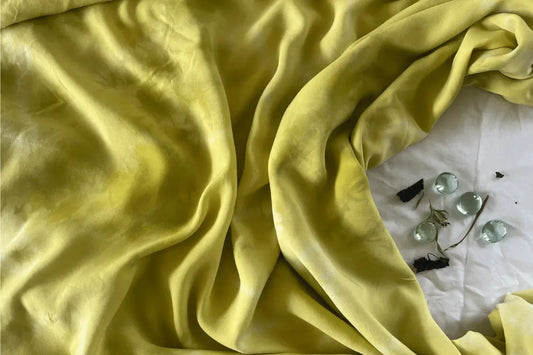
Organic Cotton Satin Light Yellow
Vendor:SuvetahRegular price Rs. 499.00 INRRegular price -
Banana Cotton Handloom (Blue)
Vendor:SuvetahRegular price Rs. 750.00 INRRegular price -
BF-205 Valor (Black)
Vendor:SuvetahRegular price Rs. 1,799.00 INRRegular priceUnit price Rs. 1.00/kg -
Banana 201 DEVINE BLUE
Vendor:SuvetahRegular price Rs. 590.00 INRRegular price -
Eri silk - Brown
Vendor:SuvetahRegular price Rs. 990.00 INRRegular price -
Eri silk - Coral
Vendor:SuvetahRegular price Rs. 990.00 INRRegular price -
Eri silk - Aqua Blue
Vendor:SuvetahRegular price Rs. 990.00 INRRegular price -
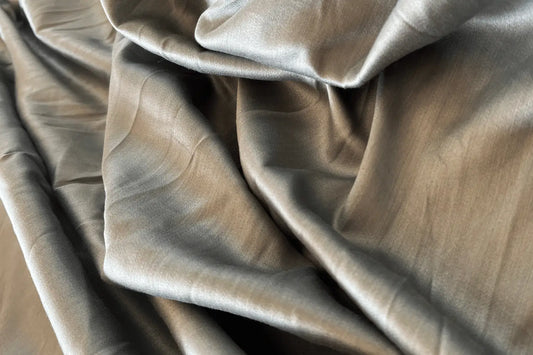
Olive Blue Ahimsa Mulberry Satin Silk
Vendor:SuvetahRegular price Rs. 1,950.00 INRRegular price -
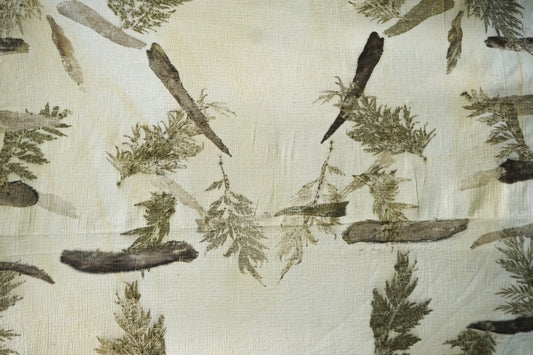
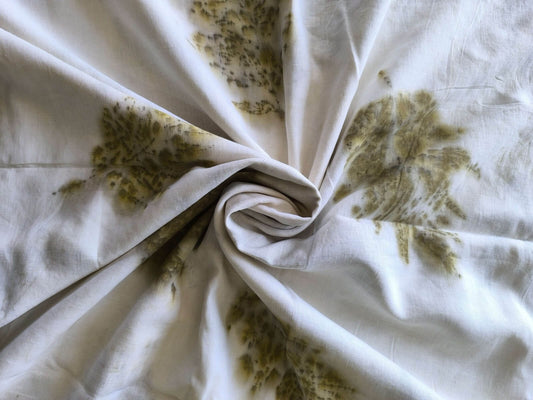
Eco-Printed 100% Linen Fabric
Vendor:SuvetahRegular price Rs. 4,120.00 INRRegular priceRs. 1,300.00 INRSale price Rs. 4,120.00 INR -

 Sold out
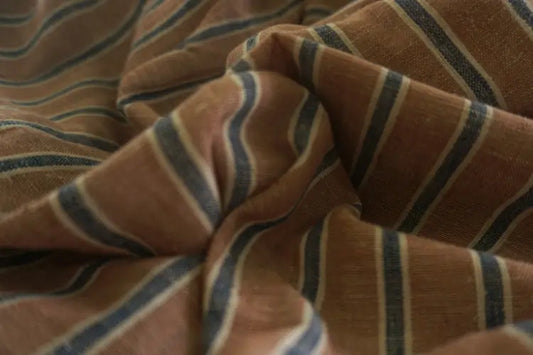
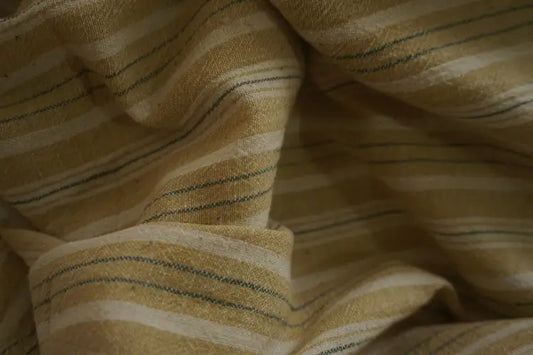
Loomed Lines Kala Cotton
Vendor:SuvetahRegular price Rs. 680.00 INRRegular price -

 Sold out
Eco Weave Kala Cotton
Vendor:SuvetahRegular price Rs. 680.00 INRRegular priceRs. 770.00 INRSale price Rs. 680.00 INRSold out -
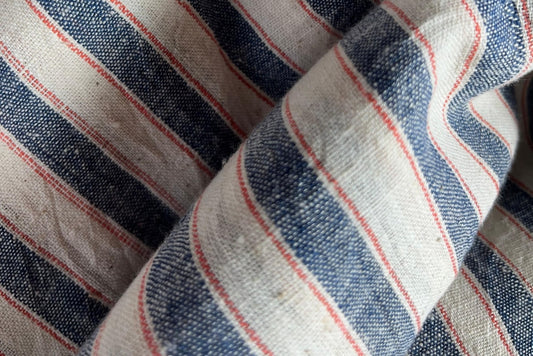
Skyline Stripe Kala Cotton
Vendor:SuvetahRegular price Rs. 630.00 INRRegular price -

 Sold out
Vintage Stripe Kala Cotton
Vendor:SuvetahRegular price Rs. 650.00 INRRegular price -
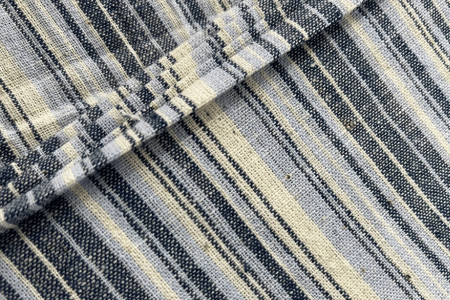
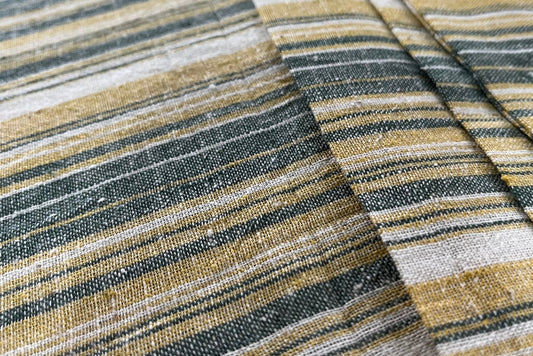
Handwoven Multistripe
Vendor:SuvetahRegular price Rs. 710.00 INRRegular price -
Lime Green Banana Fabric
Vendor:SuvetahRegular price From Rs. 550.00 INRRegular price -
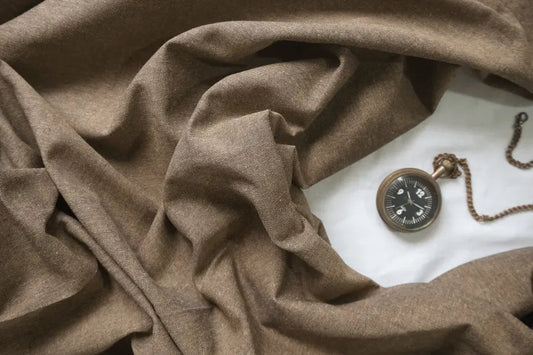
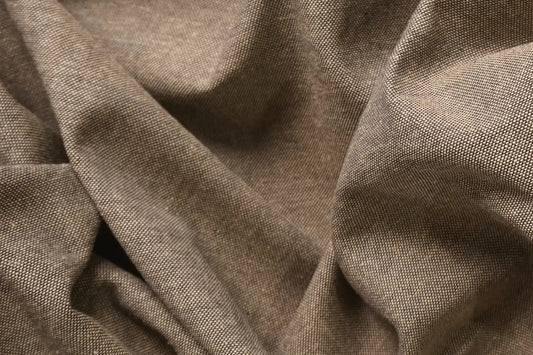
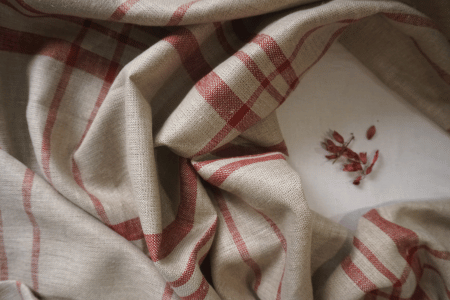
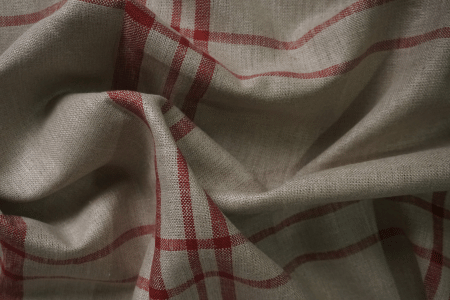
Classic Loom Yarn-Dyed Natural Linen
Vendor:SuvetahRegular price Rs. 610.00 INRRegular price -
 Sold out
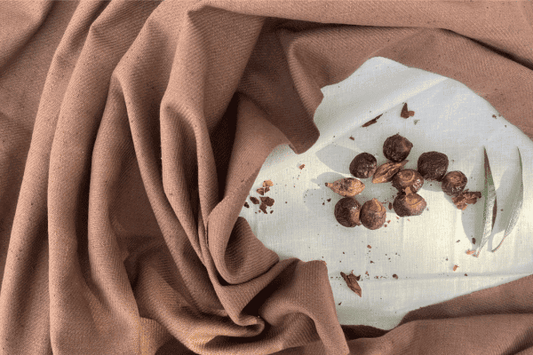
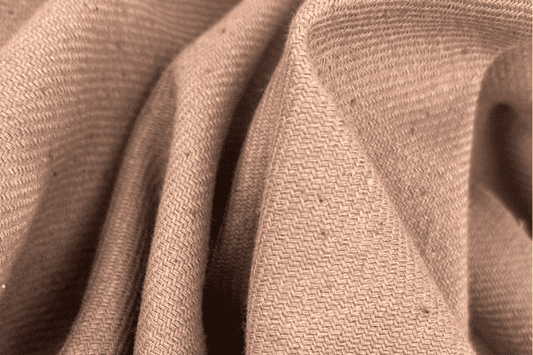
Brown Linen Flax
Vendor:Suvetah FashionRegular price Rs. 670.00 INRRegular price -
 Sold out
NatureDyed Denim
Vendor:SuvetahRegular price Rs. 850.00 INRRegular price -
Regal Zari Muga
Vendor:SuvetahRegular price Rs. 900.00 INRRegular price -
Organic Twill Blooms
Vendor:SuvetahRegular price From Rs. 700.00 INRRegular price -
NatureLoom Recycled Cotton
Vendor:SuvetahRegular price From Rs. 950.00 INRRegular price
























Frequently Asked Questions
What is the difference between dyed and printed fabric?
Dyed fabric carries colour throughout the fibre or yarn, with uniform colour on both sides and through the cross-section. Printed fabric carries colour as a surface pattern applied after weaving, with the back side showing the original undyed base. Dyed colour penetrates deeper and resists fading longer.
Are natural dyes colour-fast?
Plant-based natural dyes achieve grade 3-4 wash-fastness and grade 4-5 light-fastness when paired with the right mordant chemistry. Suvetah's natural dye process uses iron, alum, and tannin mordants matched to specific dye sources for documented fastness ratings.
What dye processes are used at Suvetah?
The range covers plant-based natural dyeing for botanical colours, AZO-free reactive dyeing for vibrant cotton bases, yarn dyeing before weaving for stripes and checks, and cold pad batch dyeing for low-water solid colours.
What is the minimum order quantity for dyed fabrics?
MOQs start at 30 meters per SKU for pilot orders in natural-dyed variants and 100 meters for AZO-free reactive-dyed fabrics. Production-tier runs above 500 meters carry tighter lot-matching tolerances.
Can I get custom dye colours?
Yes. Custom natural-dye colour matching is available against Pantone references or physical swatches with 30 to 60 day timelines. Reactive AZO-free dyeing supports tighter colour ranges with shorter timelines.