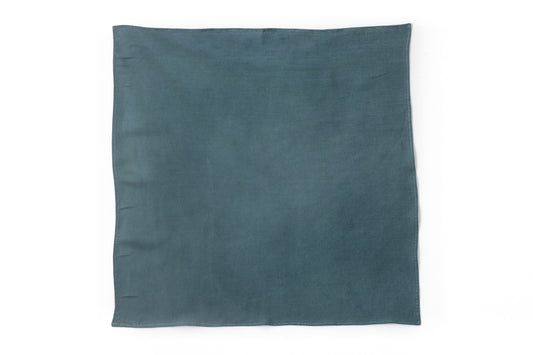
Shop Handcrafted Bandanas by Suvetah

A bandana is one of those rare accessories that earns its place in every wardrobe. Small, functional, endlessly stylish, and surprisingly personal. At Suvetah, the bandana collection is built on the same values that run through every product in the range: natural fibers, responsible sourcing, and craftsmanship that you can actually feel. Each piece is made from organic cotton bandana fabric, named after gemstones to reflect the quiet, grounded beauty of the natural world. This is not fast fashion accessory making. It is slow, deliberate, and worth it.

Eco-Friendly Cotton Bandanas for Everyday Styling

Suvetah bandanas are made from certified organic cotton, woven without synthetic chemicals and finished without toxic dyes. The bandana fabric is soft against the skin, lightweight enough for all-day wear, and durable enough to last through many washes without losing its structure or colour. Whether you are wearing it as a bandana scarf, tying it into your hair, or folding it into a pocket square, the cloth holds its shape and drape beautifully.

Why Choose Suvetah Bandanas

A bandana can only stand out from factors like material, the finish, and the values behind the production all shape what you are actually getting. Suvetah bandanas are a considered choice for buyers who care about what sits closest to their skin and what kind of supply chain they are supporting.

Made with Natural and Sustainable Fabrics

Every bandana in the Suvetah collection is cut from organic cotton that is grown without pesticides or synthetic fertilisers. The bandana fabric is woven on traditional looms, keeping the weave structure open and breathable. Natural dyes and low-impact processing ensure that no toxic residues remain in the finished cloth. The CALCITE BANDANA and the LAPIS BANDANA are both good examples of this: clean, calm, naturally toned pieces that wear well and wash well without compromising on anything.

Lightweight, Breathable and Comfortable

Organic cotton is one of the most breathable natural fibers available. It absorbs moisture without feeling damp, regulates temperature naturally, and softens with every wash. A Suvetah bandana made from this cloth is genuinely comfortable against the face, neck, and hair in a way that synthetic bandana fabrics are not. The CITRINE BANDANA captures this quality well, warm in tone and light in hand, a piece that feels as good as it looks.

Ways to Style a Bandana

The bandana is one of the most versatile accessories in fashion. Knowing how to wear a bandana well makes a real difference to how much use you get from it. Here are the most popular and practical ways to style one.

Bandana for Hair Styling

Knowing how to wear a bandana in your hair opens up more options than most people realise. The simplest approach is to fold the square diagonally into a triangle, roll it lengthwise into a soft band, and tie it across the forehead or just behind the hairline. It works equally well as a half-up tie, wrapping around a ponytail or bun for a more polished look. The bandana scarf style, where the folded fabric is tied loosely at the nape of the neck with ends left loose, works especially well for wash-and-go hair days. The BROWN TOURMALINE BANDANA in its earthy tone sits naturally against most hair colours and adds texture without competing with the rest of an outfit.

Bandana as a Neck or Fashion Accessory

Worn at the neck, a bandana scarf adds structure and personality to even the simplest outfit. Fold it into a narrow strip and tie it loosely at the front for a classic Western-inspired look. Knot it to one side for something more editorial. Tuck it into the collar of a shirt or jacket for a layered, textured finish. The SPINEL BANDANA works particularly well for neck styling, its tone grounding an outfit without dominating it. Learning how to wear a bandana at the neck is one of the quickest ways to add detail to an otherwise minimal look.

Sustainable Accessories for Conscious Living

The accessories category is often where sustainability habits get overlooked. Wallets, belts, scarves, and bandanas get purchased without much thought about what they are made from or how they were produced. Suvetah treats accessories with the same rigour as its fabric collection. Every bandana in the range is a product of the same ethical and ecological standards that define the brand.

Ethical Craftsmanship and Natural Materials

Each Suvetah bandana is cut and finished by hand. The organic cotton bandana fabric is sourced from traceable suppliers, woven using traditional methods, and coloured with natural dyes wherever applicable. No synthetic shortcuts are taken at any stage of production. For buyers building a conscious wardrobe or looking for accessories that align with slow fashion values, this collection offers exactly that. The entire gemstone-named range, from CALCITE BANDANA to CITRINE BANDANA, reflects a consistent design language: grounded, natural, and made with intent.


Frequently Asked Questions

What is a bandana used for?

A bandana serves more functions than most small accessories. It can be worn in the hair, tied at the neck as a bandana scarf, folded into a pocket square, used as a face covering in dusty environments, or wrapped around a wrist as a bracelet-style accent. The more you understand how to wear a bandana, the more uses you find for it.

What fabric is best for bandanas?

Organic cotton is widely considered the best bandana fabric for everyday use. It is soft against the skin, absorbs sweat without feeling heavy, breathes well in warm weather, and holds natural dyes cleanly. Suvetah's bandanas use certified organic cotton that meets all of these criteria without any synthetic additives.

How can you style a bandana?

A bandana can be styled as a head tie, hair wrap, neck scarf, wrist wrap, or pocket square depending on how it is folded and knotted. The most versatile approach is to learn the basic diagonal fold, which gives you a triangle to work with across all of these styling options. How to wear a bandana well comes down to the fold and the knot, both of which take very little practice to get right.

Are cotton bandanas good for hair?

Cotton bandana fabric is one of the gentler options for hair use because it does not create friction the way synthetic fabrics do. Organic cotton in particular is smooth enough to wear against fine or colour-treated hair without causing breakage or frizz. It absorbs oils naturally and sits flat without slipping.

What size is a typical bandana?

Most bandanas are square and measure between 50 x 50 cm and 55 x 55 cm. This gives enough fabric to fold into a triangle for head or neck wear, roll into a band for hair styling, or fold into a compact square for pocket use. Suvetah bandanas follow this standard sizing, making them practical across all styling applications.

Are bandanas suitable for everyday wear?

A well-made organic cotton bandana is entirely suited to daily wear. The fabric is durable enough to handle regular washing and wearing without pilling or thinning, and soft enough to sit comfortably against the skin throughout the day. The Suvetah collection is specifically designed for repeat, everyday use rather than occasional styling.

How do you wash and maintain cotton bandanas?

Hand wash in cool water with a mild detergent or run on a gentle machine cycle. Wash separately for the first couple of washes to allow any minor colour settling. Dry flat or on a hanger away from direct sunlight to preserve both the bandana fabric structure and the natural dye tones. Avoid wringing the cloth as this can distort the weave over time.

Why choose sustainable bandanas over synthetic ones?

Synthetic bandana fabrics trap heat, shed microplastics with every wash, and are produced using petroleum-based processes. An organic cotton bandana scarf from Suvetah does none of these things. It breathes naturally, biodegrades at end of life, and is made through a production process that is safe for makers, wearers, and the environment. For buyers who care about what they wear and how it was made, the choice is straightforward.