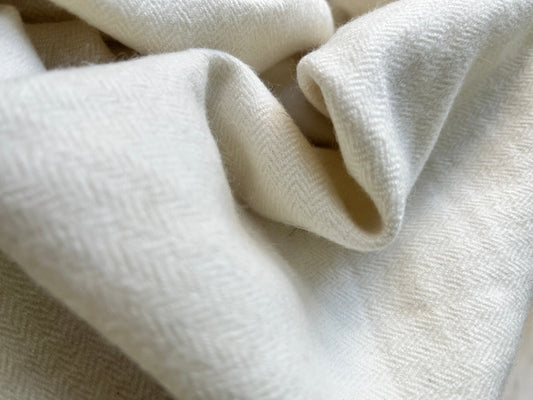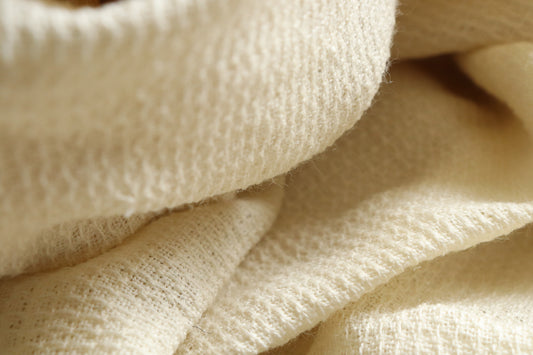
Buy 100% Pure Wool Fabrics Online in India

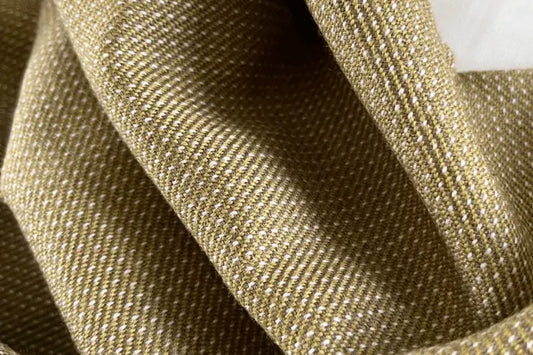
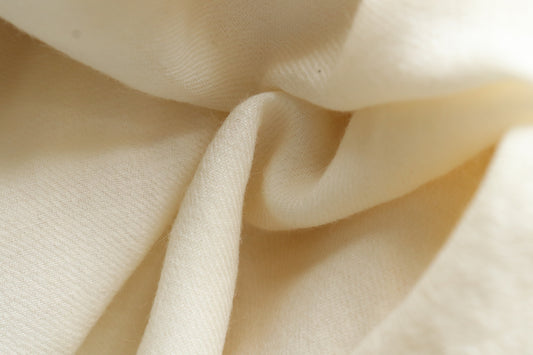
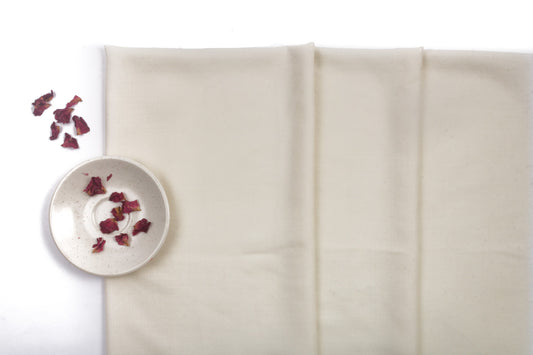
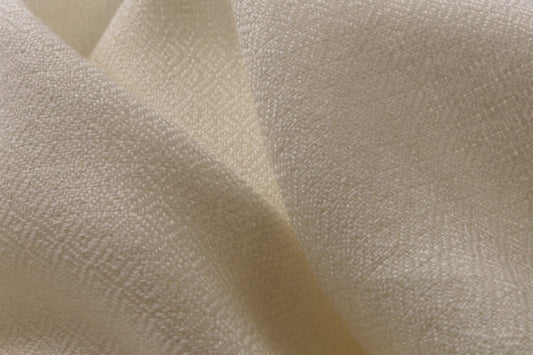
Wool fabric requirements for Indian winters span 80 GSM pashmina shawls to 400 GSM tweed coats, with micron softness, thermal mass, and craft origin shaping the choice. Suvetah's wool fabric catalogue covers Merino, Pashmina, Handloom wool, natural-fibre blends, and Eri silk variants, sourced from Indian sheep-farming and weaving clusters.

Why Choose Sustainable Wool Fabrics for Your Business?

Wool sourcing decisions carry animal welfare, certification, and end-of-life implications that synthetic blends do not. Mulesing-free shearing, traceable flock origin, and natural-fibre composition are the three signals that allow brands to back ethical wool claims at EU export checks and conscious-buyer audits. Recycled wool under GRS certification is increasingly required for outerwear brands targeting 2027 EU textile directive readiness.

For fashion brands, manufacturers, designers, hospitality buyers, and corporate winterwear procurement, the differentiation runs on four signals: traceable shearing source, certified processing, micron-count consistency, and documented dye chemistry. Suvetah's wool range carries certification documentation per SKU with direct sourcing from Indian sheep-farming and handloom clusters.

Bestselling Wool Fabrics at Suvetah

Wool fabric selection runs on three decision axes: micron count for next-to-skin softness, GSM for thermal mass, and craft technique for visual character. 

Product Name

Price

Banana Fabric

From Rs. 225.00 INR

Pure Bamboo Fabric

From Rs. 200.00 INR

KALA COTTON HANDLOOM FABRIC

Rs. 295.00 INR

BEMBERG SATIN FABRIC

From Rs. 185.00 INR

Recycled Cotton Fabric

From Rs. 75.00 INR

Bamboo Cotton Handloom Fabric

From Rs. 200.00 INR

The Suvetah wool range spans 60 to 400 GSM across five primary categories. Micron count shapes direct-skin comfort while GSM determines thermal mass and silhouette structure. Lower micron suits next-to-skin layers; higher GSM suits outerwear and structured tailoring.

Uses & Applications of Wool Fabrics

Wool applications shift by GSM band. Lightweight Merino at 180-220 GSM serves sweaters, base layers, and lightweight suiting. Heavier tweed and herringbone blends at 300-400 GSM cover overcoats, blazers, and structured outerwear.

Accessories absorb most Pashmina and Eri silk output through stoles, scarves, mufflers, and winter gloves with high thermal retention. Home textile applications include cushion covers, throws, area rugs, and curtain linings for cold-climate interiors. Hospitality brands deploy wool blends in resort blazers and ski-lodge uniforms, while corporate gifting buyers source Pashmina stoles and Merino mufflers for Diwali and year-end campaigns. Handloom wool from Kullu and Kinnaur covers traditional shawls, ceremonial wraps, and craft-led blankets.

Choose Suvetah for Wholesale & Bulk Orders on Wool Fabrics

Wool procurement runs on different cycles than plant-fibre supply because of shearing windows and seasonal flock yields. Pilot orders start at 30 to 100 meters per SKU with 30 to 60 day timelines, scaling to 500-plus meters for production runs ahead of the winter pre-season cycle that begins August and peaks December. The range carries OEKO-TEX Standard 100 chemical safety, Handloom Mark on Kullu and Kinnaur handwoven SKUs, and GRS certification on recycled wool variants.

Sourcing covers Indian merino farms in Punjab and Rajasthan, Pashmina from Ladakh and Kashmir cooperatives, and handloom wool from Himachal clusters operating under documented animal welfare and hand-shearing protocols. Custom development supports specific micron counts, weave structures, and natural-dye palettes with 45 to 60 day lead times. Quality assurance covers micron testing, GSM consistency, and dye-lot matching across coat-suiting runs.


Frequently Asked Questions

What types of wool fabric does Suvetah offer?

The catalogue covers Merino at 180-280 GSM, Pashmina at 80-200 GSM, Kullu and Kinnaur handloom wool at 200-350 GSM, natural-fibre wool blends in tweed and herringbone at 250-400 GSM, and Eri silk for warm blending at 60-150 GSM.

Which wool fabric is best for Indian winter apparel?

Merino at 180-220 GSM suits North Indian winters of 5-15°C. For sub-5°C climates across Himachal, Kashmir, and Ladakh, handloom wool and tweed blends at 300-plus GSM deliver the thermal mass needed for outerwear.

What is the minimum order quantity for wool fabrics?

MOQs start at 30 meters per SKU for pilot orders and 200 meters for production runs. Pashmina and handloom variants carry higher minimums based on shearing cycles and weaver availability in Ladakh, Kashmir, and Himachal clusters.

Are these wool fabrics ethically sourced?

Yes. Sourcing follows documented animal welfare protocols with hand-shearing on small-flock farms and no mulesing across the supply chain. Recycled variants carry GRS certification; handloom SKUs carry Handloom Mark authentication.

Can I get wool samples and customization?

Sample swatches ship within 5 to 10 working days across India. Custom development covers specific micron counts, natural plant-based dye colours, and weave structures including tweed, herringbone, and twill, with 45 to 60 day timelines.