Shop Premium Cotton Fabrics Online
Suvetah makes sourcing cotton fabrics a calm and dependable process, especially for designers and brands that care about material origin as much as end use. The online collection is structured to support both small sampling needs and bulk production requirements, with a clear minimum order quantity of one hundred meters.
Organic cotton, handloom cotton, recycled cotton, and blended cotton fabrics are presented with detailed specifications so decisions feel informed rather than rushed. Swatch books with over sixty options allow you to experience the texture and shade variation before committing to volume, which is often the missing step in online fabric sourcing.
What Makes Our Cotton Fabrics Special
Cotton fabrics become meaningful when the process behind them respects both the land and the end wearer. The focus here stays on how the fiber is grown, how it is handled, and how it behaves once it becomes part of everyday clothing. Rather than pushing finishes or surface appeal, the emphasis remains on comfort, longevity, and responsible sourcing that feels honest rather than marketed.
1. Sustainably Grown with Low Environmental Impact
Much of the organic cotton used is grown through rain fed cultivation. This reduces pressure on water resources and limits chemical intervention. The result is organic cotton fabric that supports healthier soil and safer farming practices while remaining strong and breathable.
2. Weaves with a Natural Texture
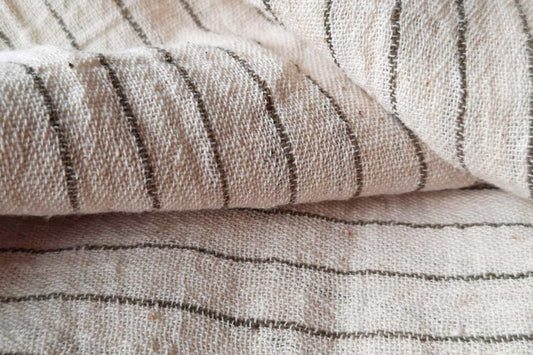
Handloom weaving allows yarns to settle naturally. These cotton fabrics develop a lived in texture that softens with use while retaining strength. Breathability improves because the weave is not overly compacted during production.
3. Moisture Absorption and Skin Comfort
Cotton naturally manages moisture while allowing air flow. This makes cotton fabrics suitable for long wear and warm climates. Untreated organic cotton fabric performs especially well by maintaining its natural absorbent properties.
4. Functional Blends for Strength and Hygiene
Cotton blended with plant fibers improves durability without compromising comfort. Hemp cotton blends offer better shape retention and antibacterial benefits, making them suitable for frequent use garments.
5. Ethical and Vegan Alternatives
For those seeking fluid fabrics without animal derived materials, cotton based options provide a responsible solution. These alternatives support ethical sourcing while remaining practical for everyday apparel.
Why Choose Cotton Fabrics Online at Suvetah?
Buying cotton fabrics online requires confidence in quality and consistency. That confidence is built through transparency, repeatable standards, and honest communication rather than surface appeal.
1. A Brand Built on 100 Percent Natural and Responsible Textiles
The collections focus on fiber integrity from the start. By working with Natural Organic Fabrics, the brand supports responsible agriculture and long term sustainability rather than seasonal trends.
2. Trusted by Designers for Quality and Consistency
Designers value predictable outcomes. Fabric behavior, shrinkage response, and color stability remain consistent across orders, which builds trust when working with organic cotton fabric at scale.
3. Certified Organic and Recycled Cotton Collections
GOTS certified organic cotton ensures traceability throughout the supply chain. Recycled cotton options reduce textile waste while remaining suitable for daily apparel production.
4. Wide Fabric Range for Diverse Creative Projects
The range supports varied applications from casual wear to structured silhouettes. Many designers pair cotton with fibers like Linen Fabric to explore texture without losing breathability.
5. Global Shipping and Knowledge Driven Transparency
International shipping is supported with clear timelines. Informational resources help buyers understand sourcing and manufacturing decisions, making selection easier and more informed.
Bestselling Cotton Fabrics at Suvetah
Popularity here reflects real world performance. Fabrics that sell consistently do so because they meet comfort and durability needs across seasons.
1. Handloom Cotton Bestsellers
Handloom cotton fabrics with finer yarn counts are frequently chosen for everyday wear. They balance softness and structure without feeling heavy.
2. Organic Cotton Fabrics in High Demand
Organic cotton fabric remains popular for shirts and dresses due to its comfort and clean sourcing.
3. Recycled and Kala Cotton Customer Favorites
Kala cotton attracts buyers focused on low impact sourcing. Kala Cotton Fabric is valued for its resilience and minimal water requirements.
4. Hemp Cotton Blends for Performance Wear
Blends that include hemp fabric offer added strength and durability. These fabrics suit garments that experience frequent wear.
Types of Cotton Fabrics We Offer
A broad selection allows designers to choose materials based on function rather than compromise.
1. Handloom in Multiple Yarn Counts
Available in various counts, these cotton fabrics support everyday wear where breathability and comfort matter most.
2. Organic Woven and Knit Fabrics
Woven and knit formats such as rib, terry, and jersey offer flexibility. Organic cotton in these constructions supports comfort driven apparel.
3. Structured Cotton Fabrics
Twill, canvas, denim, and corduroy provide form and durability while maintaining airflow.
4. Blended Cotton Fabrics
Blends with fibers like bamboo fabric and banana fiber introduce softness and functional variation while keeping cotton as the base.
5. Fabric Specifications and Finishes
Clear details on GSM, widths, and greige or ready for dyeing finishes help buyers select fabrics confidently.
Benefits of Cotton for Apparel & Everyday Wear
Cotton continues to remain one of the most relied upon textile fibers because it performs consistently across climate, usage, and skin types.
1. Ideal Fabric for Hot and Humid Climates
One of the defining strengths of cotton fabrics lies in their ability to regulate body temperature. The natural fiber structure allows air to circulate freely while absorbing perspiration, which helps the body stay dry and comfortable in hot and humid conditions
2. Soft Skin Friendly and Kid Safe Material
Cotton is inherently gentle on the skin due to its smooth fiber surface and absence of static build up. Organic cotton offers an added advantage as it is grown and processed without harsh chemicals, reducing the risk of irritation. This makes cotton fabrics especially suitable for children’s clothing, sleepwear, and garments worn close to the skin.
3. Durable Easy to Maintain and Long Lasting
Despite its softness, cotton is a strong fiber that withstands regular use. Well woven cotton fabrics maintain their structure through repeated washing and daily wear without excessive pilling or fiber breakdown.
4. Naturally Sustainable for Ethical Wardrobes
When grown responsibly, organic cotton supports sustainable farming practices that protect soil health and reduce water stress. Choosing organic cotton fabric allows consumers and brands to reduce environmental impact without compromising usability.
How to Choose the Right Cotton Fabric
Proper care preserves comfort, maintains fabric structure, and extends the usable life of cotton fabrics, especially when working with natural and minimally processed materials.
1. Handloom and naturally dyed cotton fabrics should be washed gently in cold water to protect yarn integrity, prevent color bleeding, and retain the original surface texture.
2. Most cotton fabrics can be machine washed safely when low impact cycles are used, as controlled agitation helps maintain fabric strength without stressing the fibers.
3. Air drying is recommended for cotton fabrics since it supports breathability, reduces fiber fatigue, and helps the fabric settle naturally after washing.
4. Slight color shifts, texture variation, and softness changes are normal in organic cotton fabric, as untreated fibers respond organically to washing and wear over time.
5. Caring for organic cotton with mild detergents and minimal heat aligns fabric longevity with sustainable consumption practices and reduces long term material damage
 Sold out
 Sold out
 Sold out
 Sold out
